Mathematics
CURRENCY
Reading settings
Text size
Line spacing
Colours
CURRENCY
In this chapter, students will study both the practical and theoretical aspects of money in everyday life. They will examine how money is used in local and international transactions, understand the concept of foreign currency, and analyze the common features currencies.
Money transactions
A money transaction is any situation where money is given, received, transferred, or exchanged for goods, services, or obligations. It is a fundamental part of daily economic life.
Identify concepts of money transactions
Activity 1
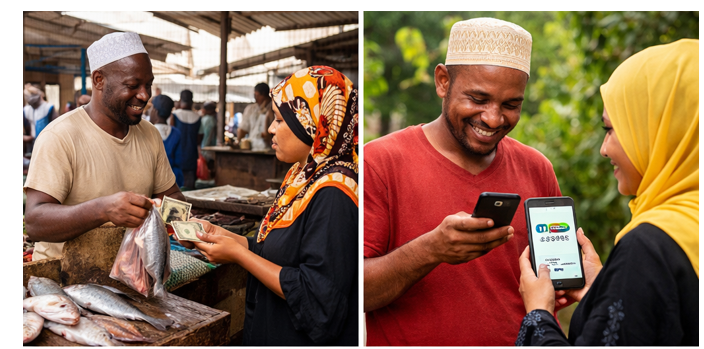
Look at the pictures below and describe the activities taking place in each one.

Activity 2
Look at the pictures below, and describe the activities taking place


Activity 3
Look at the pictures below and describe the activities taking place in each one
Activity 4
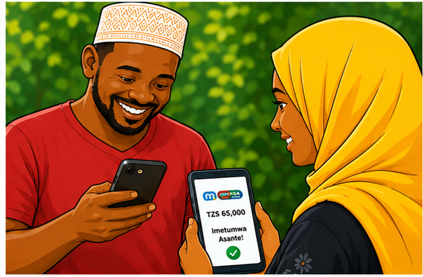
Look at the picture below, and describe the activity taking place
A money transaction occurs when:
- Money is paid (buying something)
- Money is received (selling or earning)
- Money is transferred (sending to another person)
- Money is exchanged (changing currency)
Main Elements of a Money Transaction: Every transaction usually involves:
- Payer – Person giving money
- Payee – Person receiving money
- Amount – How much money is involved
- Purpose – Reason for payment
- Method – How money is transferred
Types of Money Transactions (a) Cash Transactions Payment made using physical money (notes and coins). Example: Paying at a shop with cash. (b) Digital / Electronic Transactions Payment made without physical cash. Examples include: ·Mobile money ·Bank transfers ·Card payments (c) Credit Transactions Goods/services received now, payment made later. Example: Buying on credit. (d) Exchange Transactions Changing one currency into another. Example: Converting Tanzanian Shillings to US Dollars.
Send and receive money through agents
Activity 5
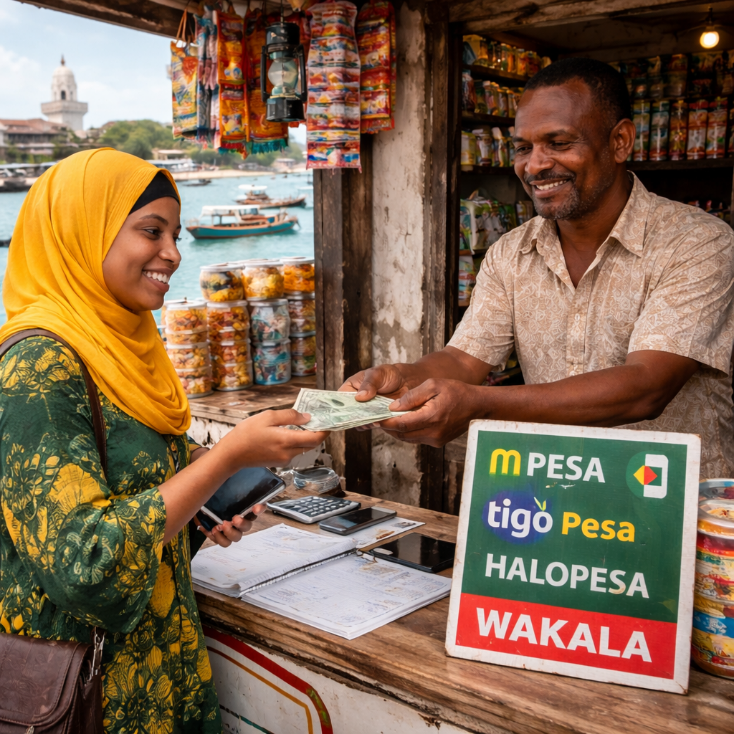
Who is an Agent?Observe the pictures below and answer the above question
Activity 6
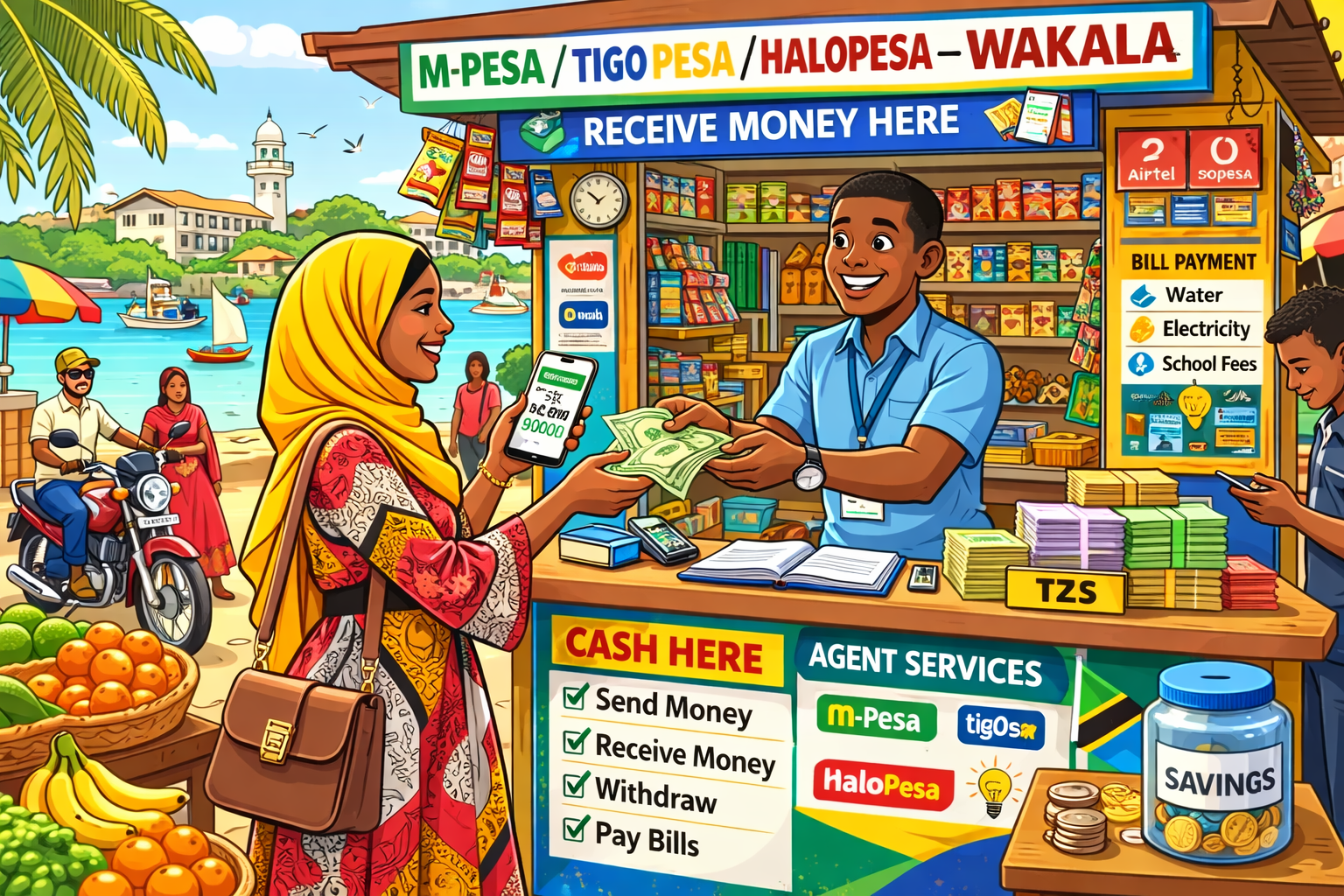
Who is agent? Look at the pictures below and answer the above question

Exercise 1
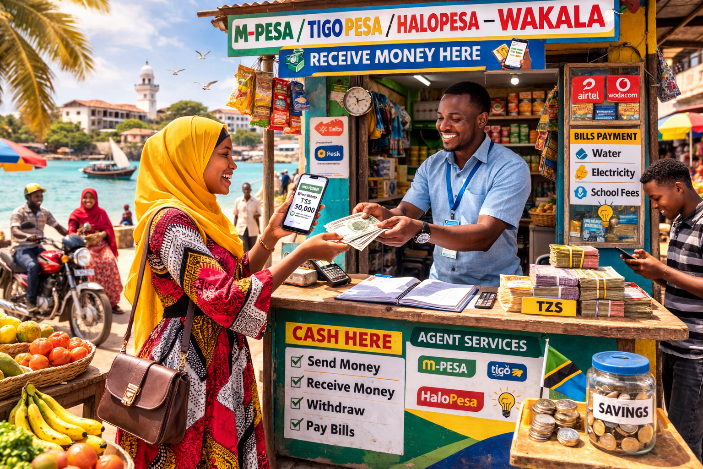
An agent is a person or business authorized to provide money services on behalf of a mobile money or financial provider.Agents help customers to:
- 1. Send money
- 2. Receive money
- 3. Deposit money
- 4. Withdraw money
- 5. Pay bills
Receiving money through an agent:This happens when a customer collects money sent to their mobile wallet.Typical Steps:
- 1. Visit an agent
- 2. Show the confirmation message
- 3. Provide identification (if required)
- 4. State the amount
- 5. Receive cash
Sending money through agent. Study from the following picture
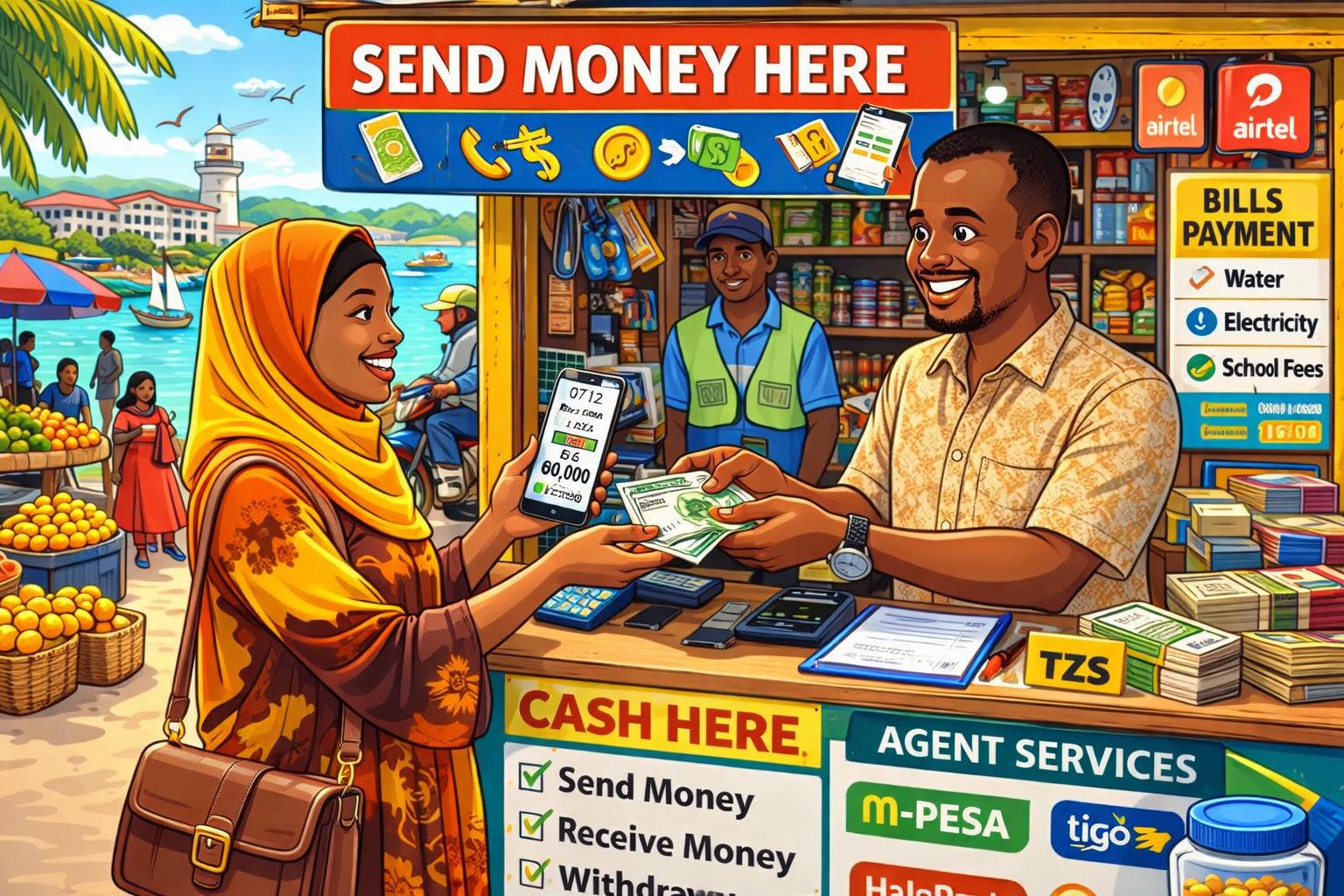
Activity 7
Sending money through agent: Study the following picture
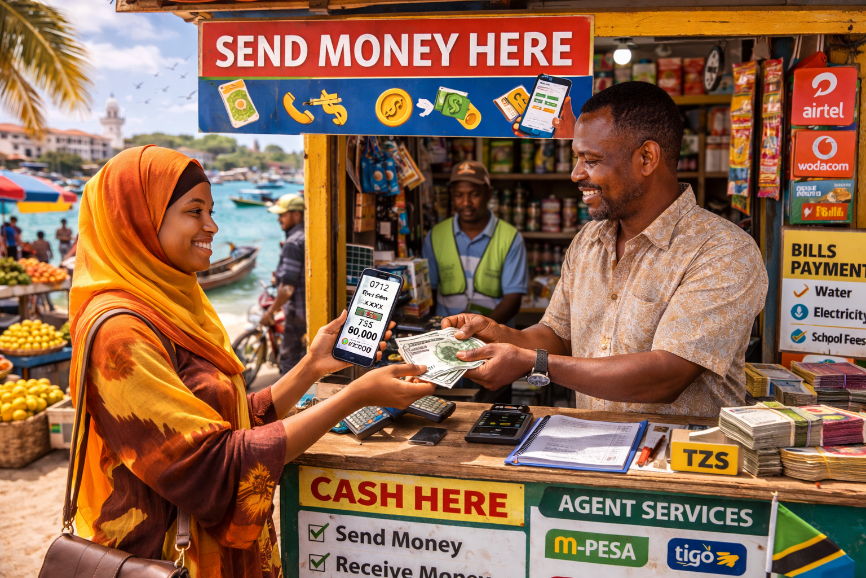
Activity 8
Read the following careful
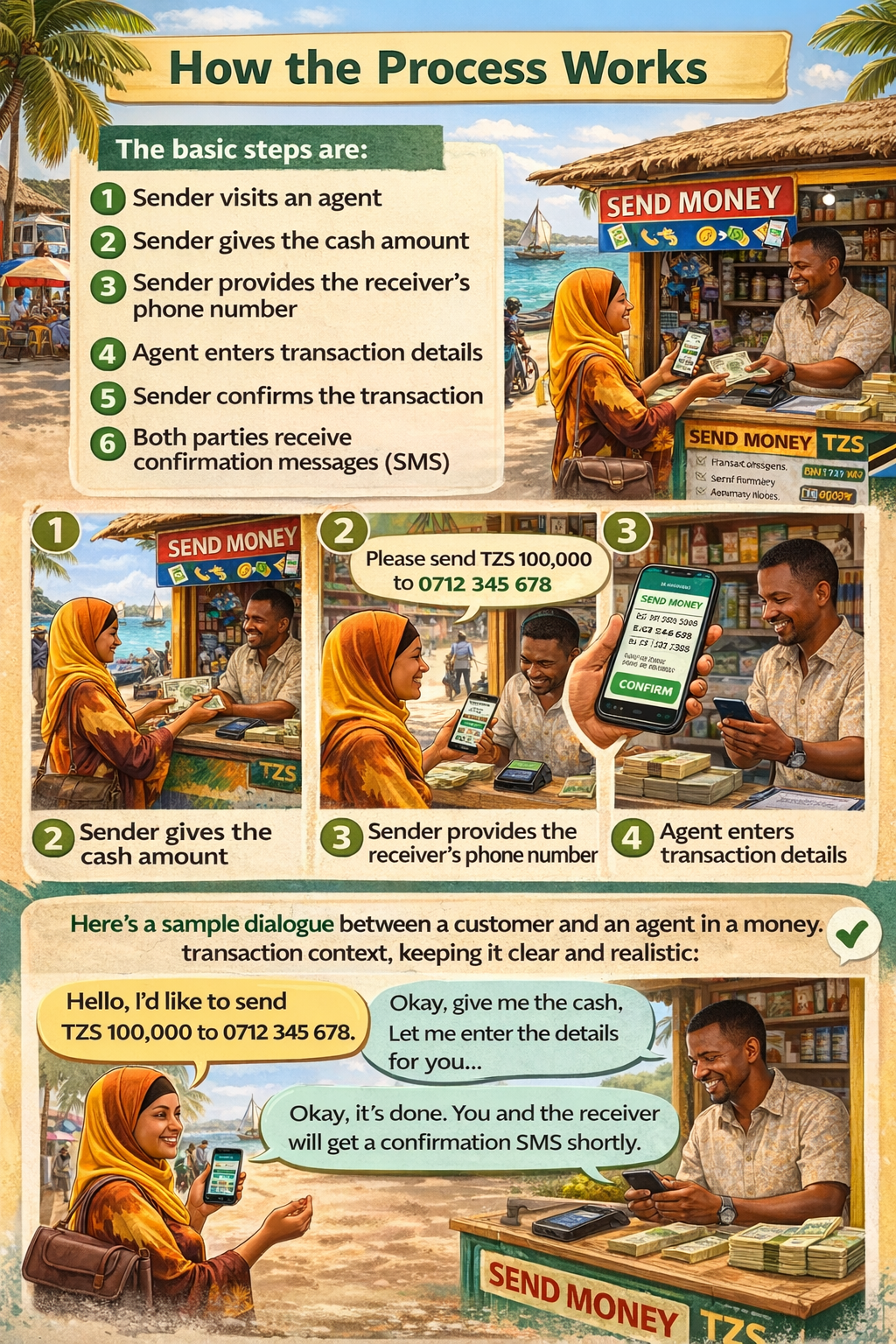
Activity 9
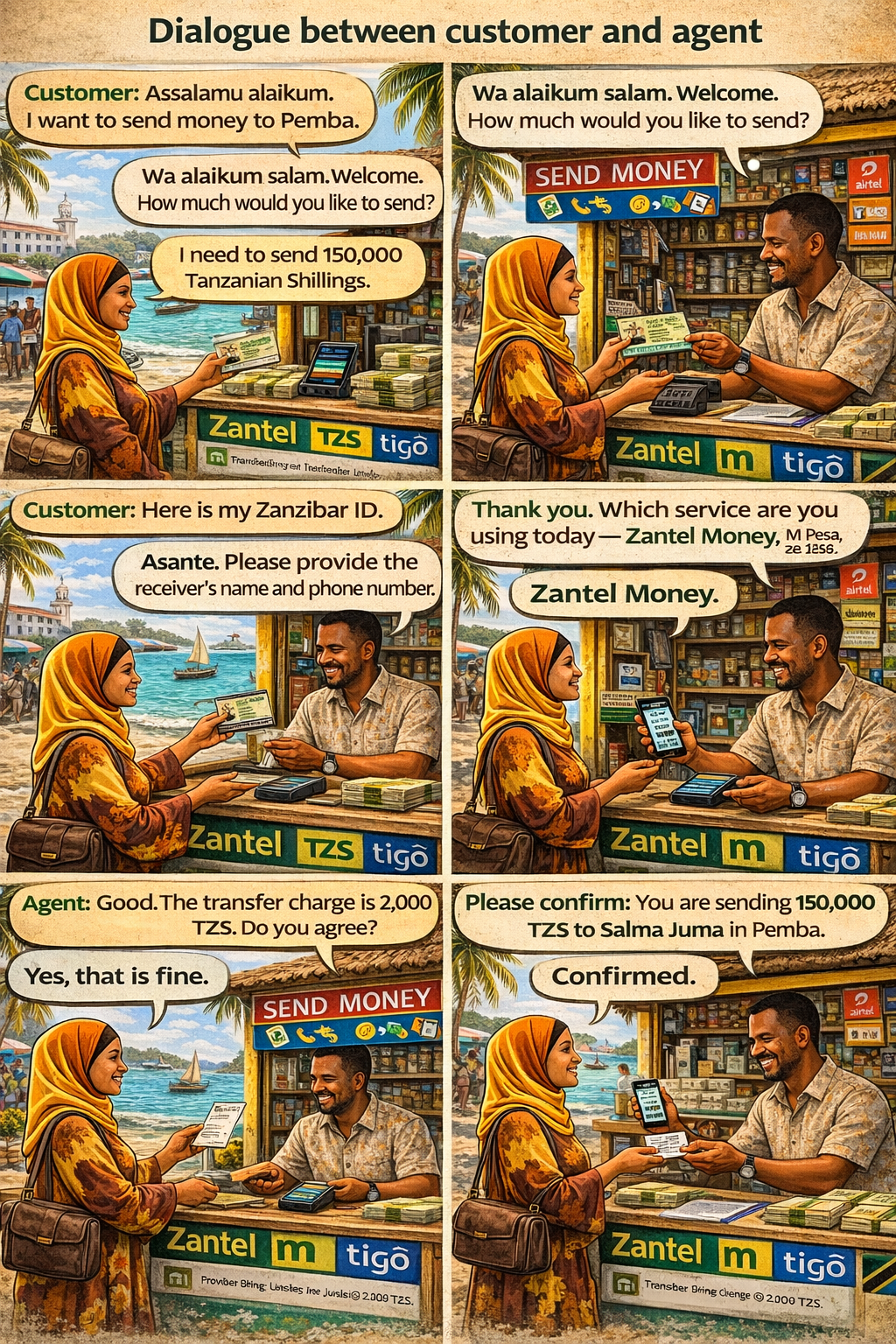
Practice the following dialogue with your friend as shown in the picture.
Solve word problems involving money transaction
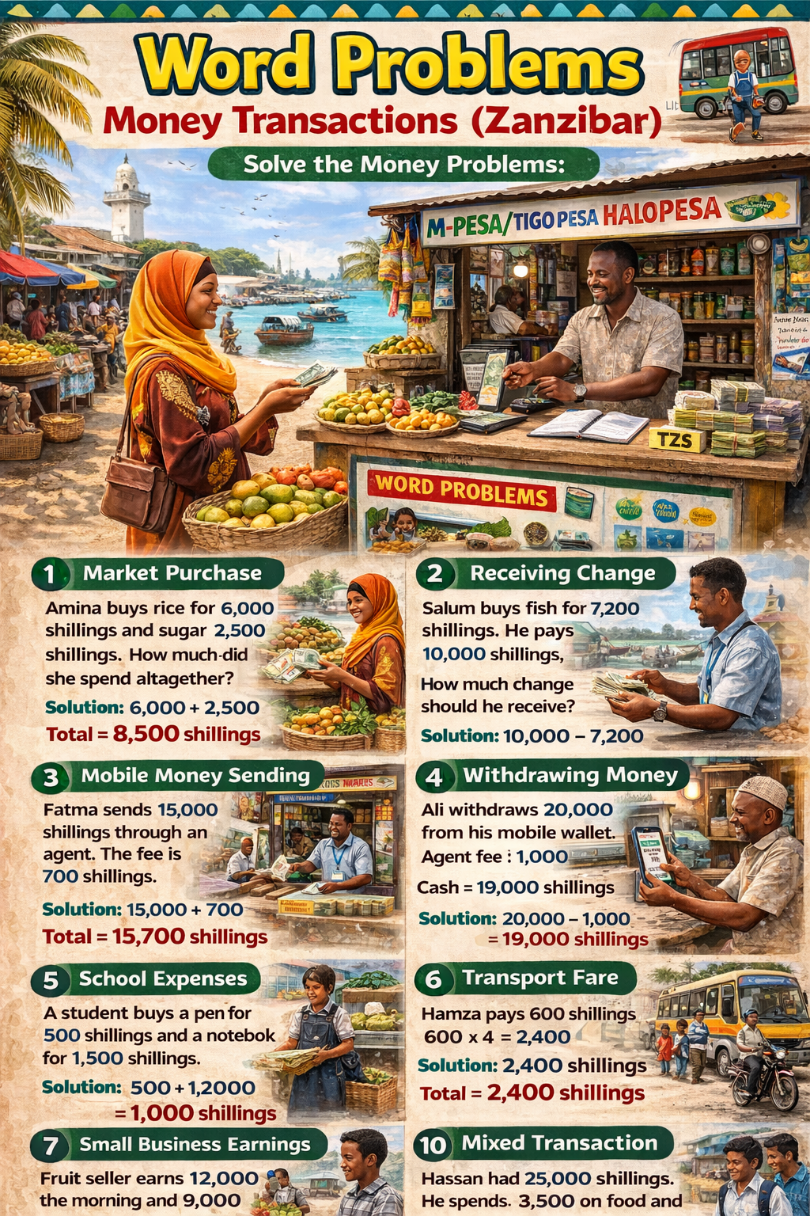
Activity 10
Study the picture below and identify different situations involving money transaction
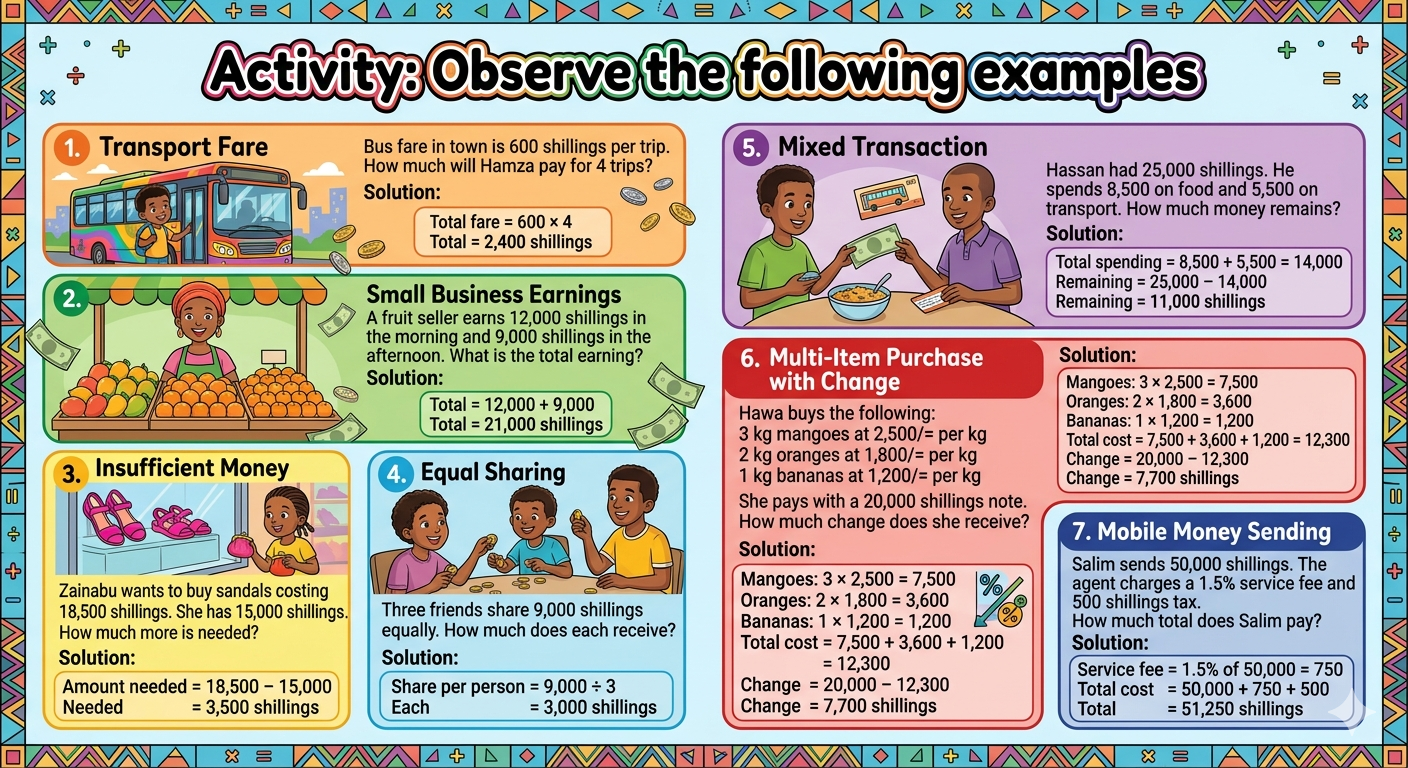
Activity 11
Study the following examples and answer the questions below
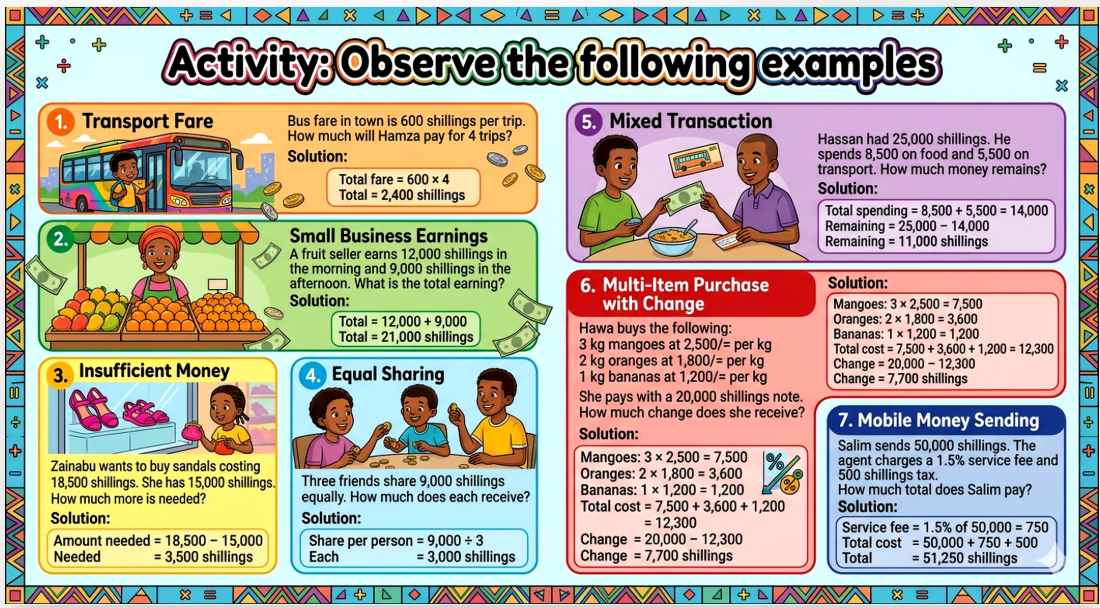
Activity 12
Study the following examples, and answer below
Exercise 2
Solve the following problems
- Asha buys 4 kg of rice at 2,200 shillings per kg, 3 kg of sugar at 1,800 shillings per kg, and 5 liters of cooking oil at 1,500 shillings per liter. How much does she spend in total?
- Salim wants to send 45,000 shillings through a mobile money agent. The service fee is 2%. How much does he pay altogether?
- Hamza buys fish costing 8,750 shillings and pays with 15,000 shillings. How much change does he get?
- Four friends buy vegetables for 12,600 shillings, fruits for 18,400 shillings, and snacks for 9,000 shillings. They split the total equally. How much does each friend pay?
- A fruit seller buys 40 kg of mangoes at 1,800 shillings per kg. He sells 25 kg at 2,200 shillings per kg and the remaining 15 kg at 2,500 shillings per kg. What is his total profit?
- Fatma sends 60,000 shillings through a mobile money agent. The agent charges a 1.5% fee plus 50 shillings tax. How much total does she pay?
- Ali’s brother receives 30,000 shillings via mobile money. He withdraws it from an agent and pays a 700 shillings withdrawal fee. How much does he get in cash?
- Amina buys groceries worth 18,500 shillings and later sends 15,000 shillings to her cousin. The sending fee is 1,000 shillings. What is the total amount of money spent?
- A student pays 650 shillings per trip to school. He travels twice a day for 5 days. How much does he spend in total?
- A small shop earns 50,000 shillings in one day. They spend 12,500 shillings on stock and 7,800 shillings on utilities. What is their net income for the day?
Foreign Currencies
Identify the concept of foreign Currency
Foreign currency refers to money that is issued by another country and is different from the local currency. In Zanzibar, the local currency is the Tanzanian Shilling (TZS), so any other currency such as US Dollars (USD), Euro (EUR), or Kenyan Shillings (KES) is considered foreign currency.
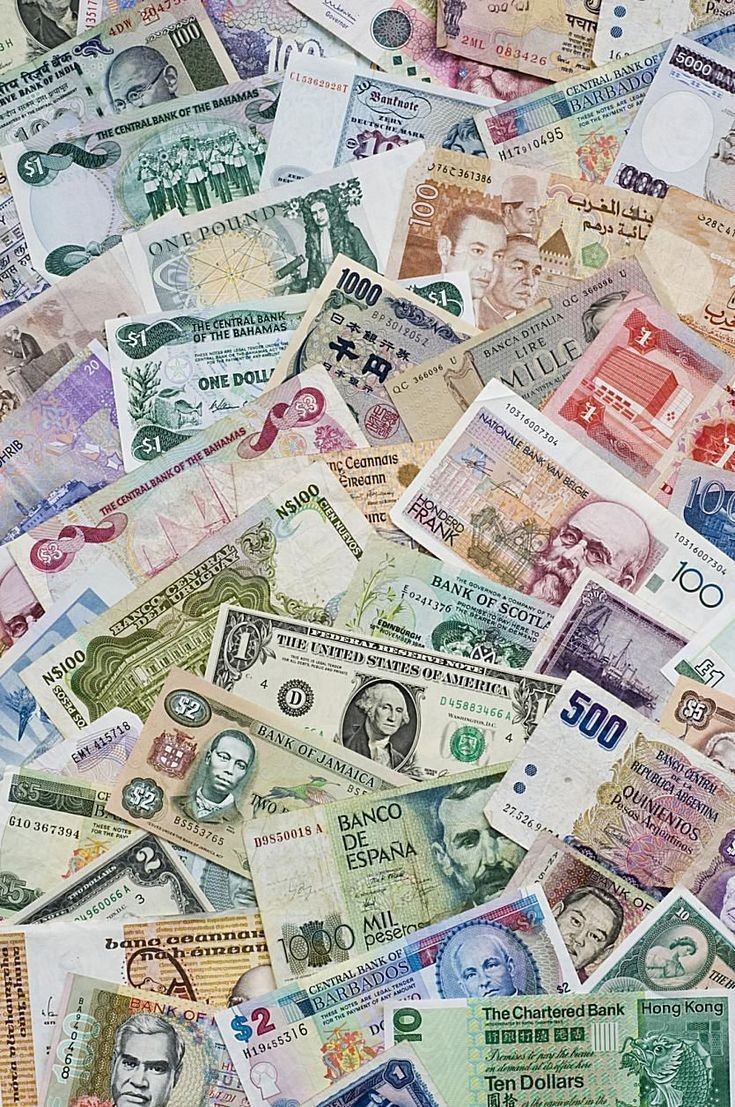
Exercise 3
List down ten (10) foreign currencies
Analyze common features of currencies
Activity 13
Read the following information carrefulThe following are the common features and their explanation of currencies
| Feature | Explanation |
| Medium of Exchange | Used to buy/sell goods & services |
| Unit of Account | Measures value of goods/services |
| Store of Value | Can save and use later |
| Durability | Can withstand wear and tear |
| Portability | Easy to carry/transport |
| Divisibility | Can be broken into smaller units |
| Recognizability | Easy to identify & hard to counterfeit |
| Acceptability | Widely accepted for transactions |
| Legal Tender | Government-approved for payments |
Exercise 4
1.Match the feature in Column A with its meaning in Column B:
| Column A | Column B |
| a. Durability | i. Accepted by everyone |
| b. Portability | ii. Can be divided into parts |
| c. Divisibilty | iii. Lasts for a long time |
| d. Acceptability | iv. Easy to carry |
Explain function of bureau de change
Activity 14
Read the following information form the chart below
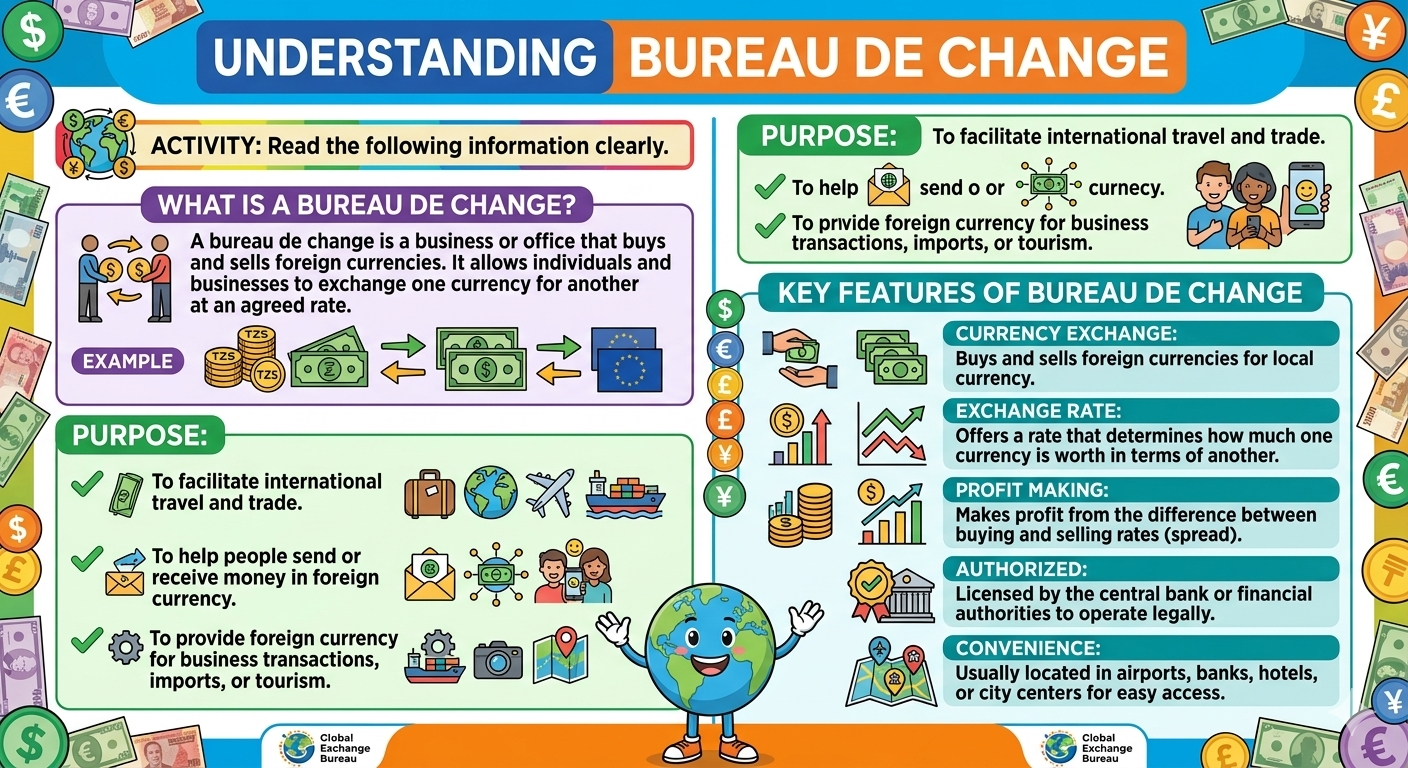
Importance of Bureau de change
- Makes foreign currency accessible for travelers and traders.
- Helps in standardizing currency exchange rates.
- Supports the tourism and trade sectors of a country.
- Makes foreign currency accessible for travelers and traders.
- Helps in standardizing currency exchange rates.
- Supports the tourism and trade sectors of a country.
Example 1
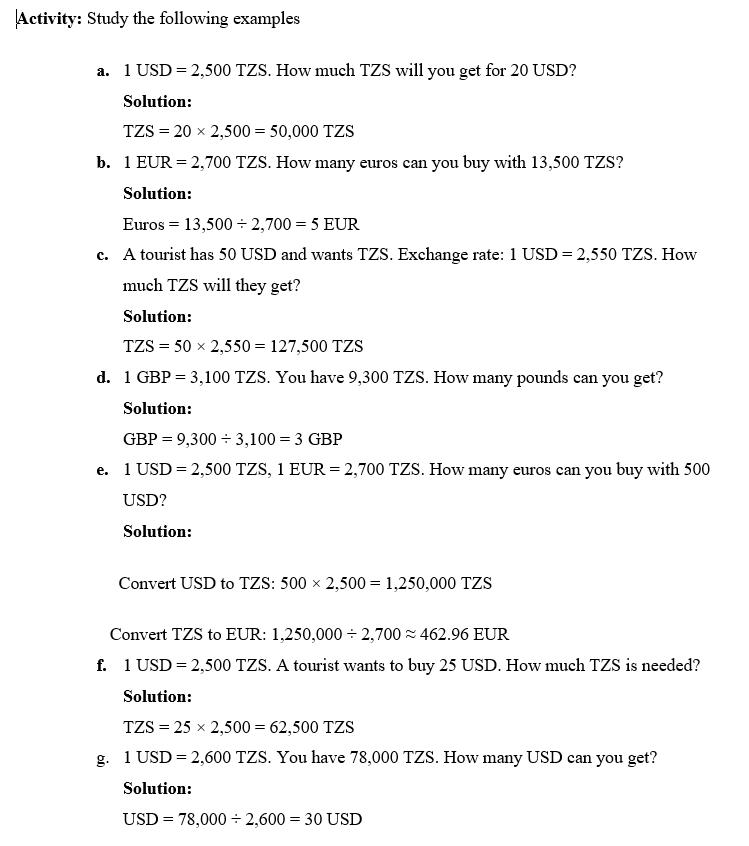
Exercise 5
Solve the following problems: Exchange Rates (for all exercises): 1 USD = 2,500: TZS 1 EUR = 2,700 TZS : 1 GBP = 3,100 TZS: 1 KES = 20 TZS
- You have 81,000 TZS. Convert to USD, then convert the USD to EUR. How many EUR do you get?
- You have 200,000 TZS. Spend 120,000 TZS on USD and the rest on GBP. How much USD and GBP will you get?
- You have 50 USD and 30 EUR. How much TZS will you receive when selling them?
- Buy 40 USD at 2,500 TZS per USD, then sell them at 2,550 TZS per USD. What is the profit or loss in TZS?
- A tourist exchanges 500 USD to TZS. Later, they spend 200,000 TZS on shopping. How much USD can they get if they convert the remaining TZS back to USD?
- A tourist from the United States comes to Zanzibar with $500. The local bureau de change offers the rate: 1 USD = 2,500 TZS. How many Tanzanian Shillings will the tourist receive if they exchange all the dollars?
- A resident wants to buy 100 Euros from a bureau de change in Zanzibar. The exchange rate is 1 Euro = 2,800 TZS. How much TZS will they need to pay?
- Fatuma has 700,000 TZS and wants to travel to the UK. The bureau de change offers: 1 GBP = 3,500 TZS. How many British Pounds will Fatuma get after exchanging all her money?
- Juma has 200 USD and 150 Euros. The rates at Zanzibar bureau de change are: 1 USD = 2,500 TZS, 1 Euro = 2,800 TZS. What is the total amount in Tanzanian Shillings if Juma exchanges all his money?
- A student wants to exchange 100 USD to TZS. The bureau de change charges a 2% service fee. The rate is 1 USD = 2,500 TZS. How much TZS will the student receive after deducting the fee?
Listening to this topic