Chemistry
Introduction To Chemistry
Reading settings
Text size
Line spacing
Colours
Chemistry is all around us. Did you know that everything is made out of chemicals? Any reaction taking place in body cells of all living and non living organisms correlates with chemistry. In chemistry we study materials that make up the earth and universe. Chemistry is sometimes called the central science because it bridges other natural sciences, including physics, geology and biology. Therefore, when talking about chemistry, we are referring to life on Earth.
Introduction To Chemistry
Introduction
Chemistry is one among of the science subjects studied in schools. Chemistry students learn about the substances that make up matter and study the changes that occur when substances are combined are called chemical reactions. The changes are called chemical reactions. Chemistry is found in almost everywhere in the world around us, such as in the food you eat, the clothes you wear, the water you drink, the air you breathe, medicines, and the various cleansing agents. In this chapter, you will learn about the concept of chemistry and the importance of chemistry in daily life. By the end of the chapter, you are expected to be able to explain the concept of chemistry, identify materials made by the applications of chemistry, specify areas/fields where chemistry is applied, and state the importance of chemistry in real life
The concept of chemistry
The Concept of Chemistry
Chemistry F1 Intro To Chemistry
Explain the concept of Chemistry
1.1.1 Meaning of chemistry
Chemistry is a branch of science which deals with the study of nature, properties, and composition of matter. Matter can be defined as anything that has mass and occupies space. Thus, matter makes up all visible objects in the universe. Chemistry is a complex subject divided into many fields of study such as organic chemistry, physical chemistry, biochemistry, analytical chemistry, and environmental chemistry
Organic chemistry deals with compounds of carbon. Physical chemistry deals with examining the ways substances change during chemical reactions. It examines how matter behaves on a molecular and atomic level as well as how chemical reactions occur. Biochemistry deals with the study of chemical processes that occur in living things. Analytical chemistry deals with the separation, identification, and determination of amounts of chemical substances. It involves the use of scientific methods and instruments to separate, identify, and quantify matter. Environmental chemistry deals with the study of the origin, reactions, transport, effects, and fates of chemical species in the environment. Chemistry is usually studied along with other related subjects such as biology, physics, geography, and mathematics. A person studying science is called a scientist. A scientist specialized in the study of chemistry is called a chemist
Materials/Objects Made by Application of Chemistry
Mention materials objects made by application of chemistry
1.1.2 Materials made by the application of chemistry
Application of chemistry knowledge enables the production of different materials and products that we need to live better. In everyday life, we need different substances to meet our basic human needs like food, shelter, clothing, comfort and health.
Some materials made by the application of chemistry include kerosene (paraffin), sugar, chalk, shoes, clothes, common salt, soft drinks, medical drugs (medicines), toothpaste and plastics. Others are spirits, wines, shoe polishes, cement, baking soda, petrol, diesel and cosmetics (soaps, body oils and lotions, body and hair creams, etc). All these materials, among others, are made by applying chemical processes.
Many products made by the application of chemistry in industry are all around us. Some of these materials are summarized in Table 1.1 below:
| Field where applied | Examples of products |
| Medicine | Drugs, vaccines, equipment, nutritional supplements, bandages |
| Agriculture | Agro-chemicals ( fertilizers, pesticides, herbicides, acaricides), animal drugs and vaccines, animal feed and supplements |
| Manufacturing industry | Vehicles, cement, plastics, chemicals, paints, iron sheets, vanishes, glue |
| Food and beverage industry | Soft and alcoholic drinks, baked food, canned food, spices, cooking oil, salt |
| Home care and cosmetics industry | Cosmetics, detergents, toothpaste, shoe polish, insecticides, antiseptics, disinfectants |
| Transport | Fuels, lubricants, oil, grease, tar, coolants, tyres |
| Textile industry | Clothes, dyes, bleaches, wax, threads |
| Leather industry | Shoes, belts, purses, automobile seats, clothing, bags |
1.2 Importance of chemistry in life
chemistry form one 2
1.2.1 Areas (fields) where chemistry is applied
State the importance of Chemistry in daily life
Chemistry is applied in many fields such as agriculture, construction industries, medicine, food and beverage industries, education, home care and beauty industries, transport and communication, textile industries and leather industry, among others. The following are detailed explanations of how chemistry is applied in different fields to produce materials or services that are important in the plant, animal and human lives:
Agriculture
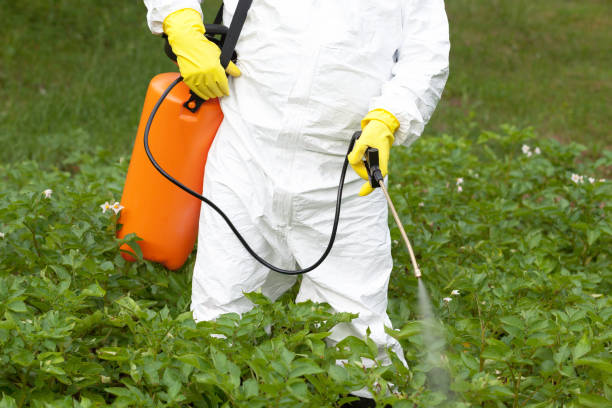
Sustainable crop and animal production is enhanced by application of chemistry knowledge. Fertilizers, insecticides, acaricides, herbicides (weed killers) play a good role in crop production. In order to get a good harvest, it is important for the farmer to apply fertilizer, herbicide and insecticide to improve production.
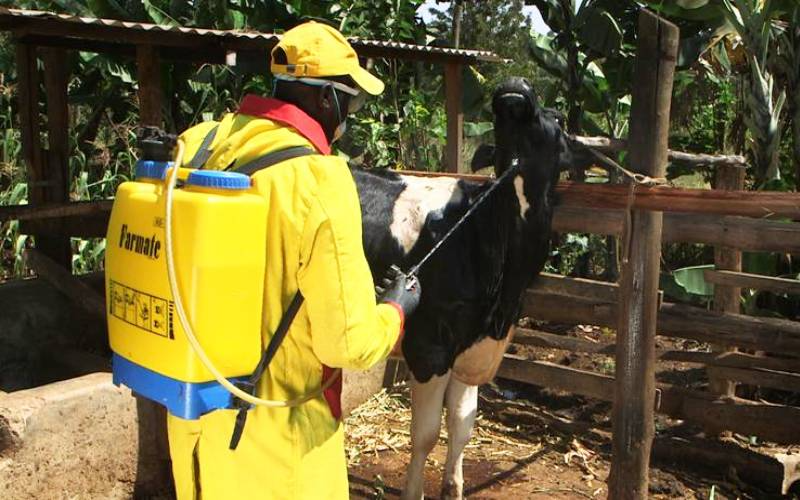
In animal production, for maximum and quality yields, a farmer is usually required to apply pesticides such as acaricides to control and prevent tick-borne diseases as shown in Figure 1.2. An acaricide is any chemical that kills ticks or mites.
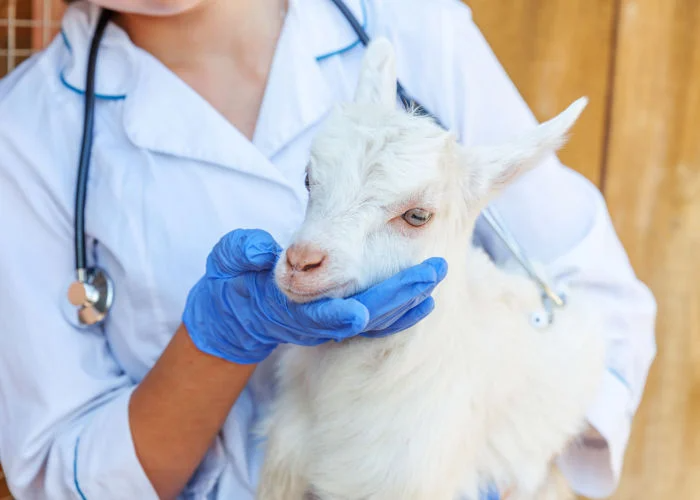
Also is the use of different drugs to treat internal parasites such as worms, and vaccines to control certain diseases.
Medicine
Pharmaceutical drugs (medicine or medication), vaccines and other chemicals used in medical field are manufactured through chemical processes. Injection drugs are injected into the body of a patient to treat diseases or infections. Medicines, which are in the form of pills, capsules, solution or suspension, are often swallowed or applied onto the affected part of the body. Laboratory reagents used in medical laboratories are also important chemicals in this field.

Textile industry
Clothes are made from a wide range of different materials. For instance, cotton and linen are made from natural fibres (obtained from plants), whereas polyester and nylon (usually called man-made materials) are obtained from chemicals found in coal and crude oil. Examples of clothes made using these materials are shown in Figure 1.5

Leather industry
Shoes, belts, purses and bags can be made from skins and hides of animals. The process of converting skins and hides into finished products involves chemical processes.

Manufacturing industry
In this field, application of chemistry enables manufacture of various goods such as cement, chemicals, paints, iron sheets, vanishes, glue, etc. Machines used to manufacture goods are made of metals and sometimes covered with plastics. Metals and plastics are made through chemical processes.

Food and beverage industry
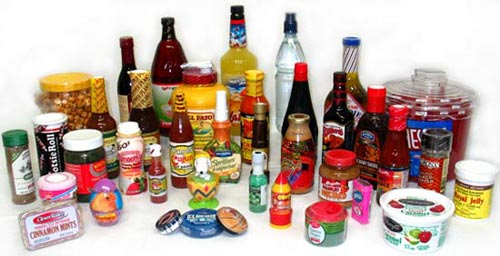
Food industry relies heavily on chemicals. Food is flavoured using honey, sugar or other flavours. Chemicals known as preservatives or additives are added to food to make it stay longer without spoiling. Some chemicals are also used to preserve foodstuffs like bread, cakes and sweets. Carbon dioxide gas is added into beverages such as soda and juices in order to stop chemical reactions from taking place in food or microbes from attacking and spoiling food. All of these activities involve chemical processes.
Transport and communication
Transport and communication field relies on chemicals made through chemical processes. These chemicals include fuels such as diesel and petrol and lubricants like oil and grease. Metals, tyres and plastics which are used to make different parts of vehicles are also made through application of chemistry.

Likewise, chemical processes are applied in the manufacture of telecommunication tools and equipment such as computers, cell phones, papers, pens, radios and cables, among others.

Home care and beauty products
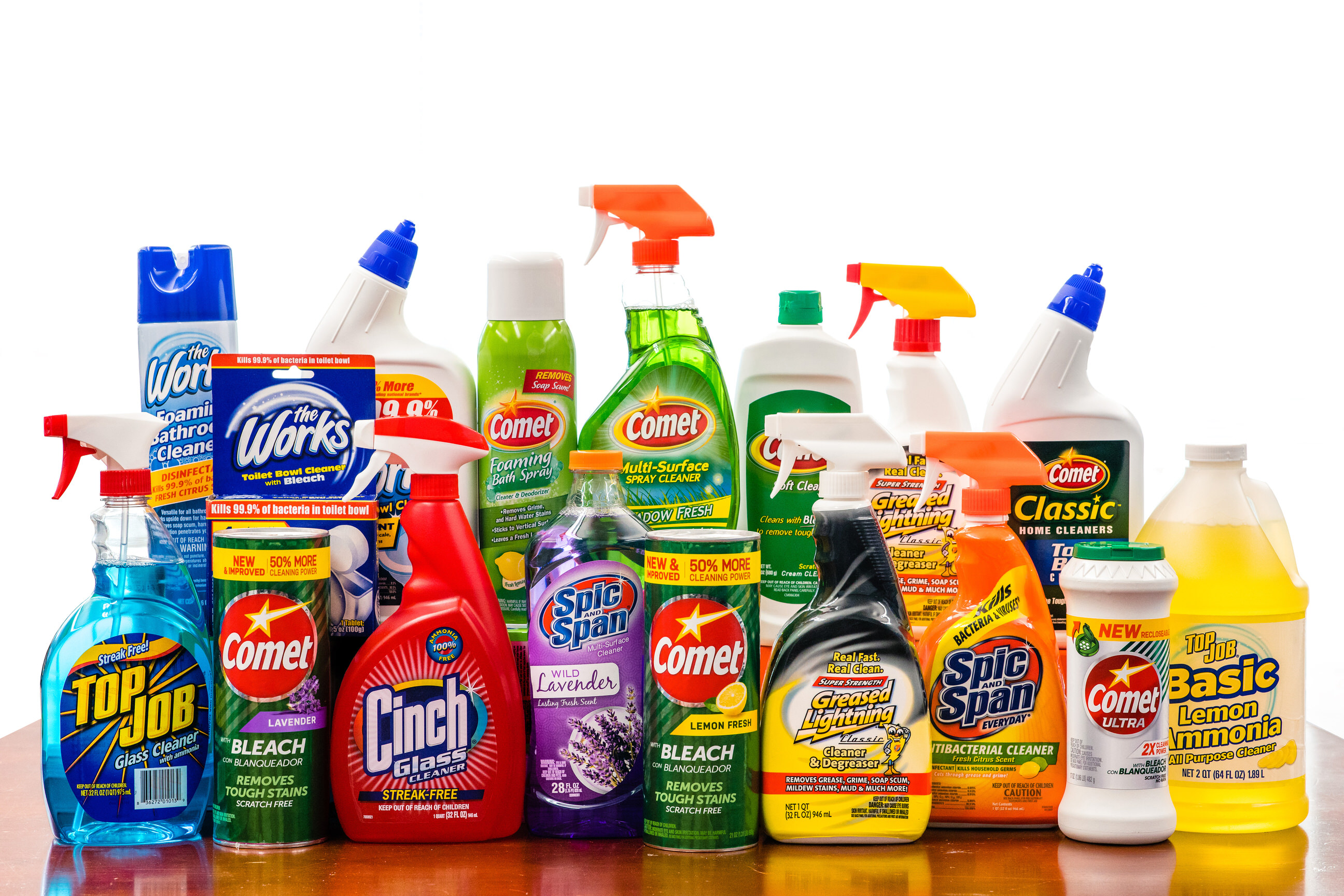
Home care products are the products used to clean your body and the home and its surroundings. The products include disinfectants, insecticides, detergents, soaps, toothpaste, toilet cleaners, air fresheners, paints, polishes, etc.
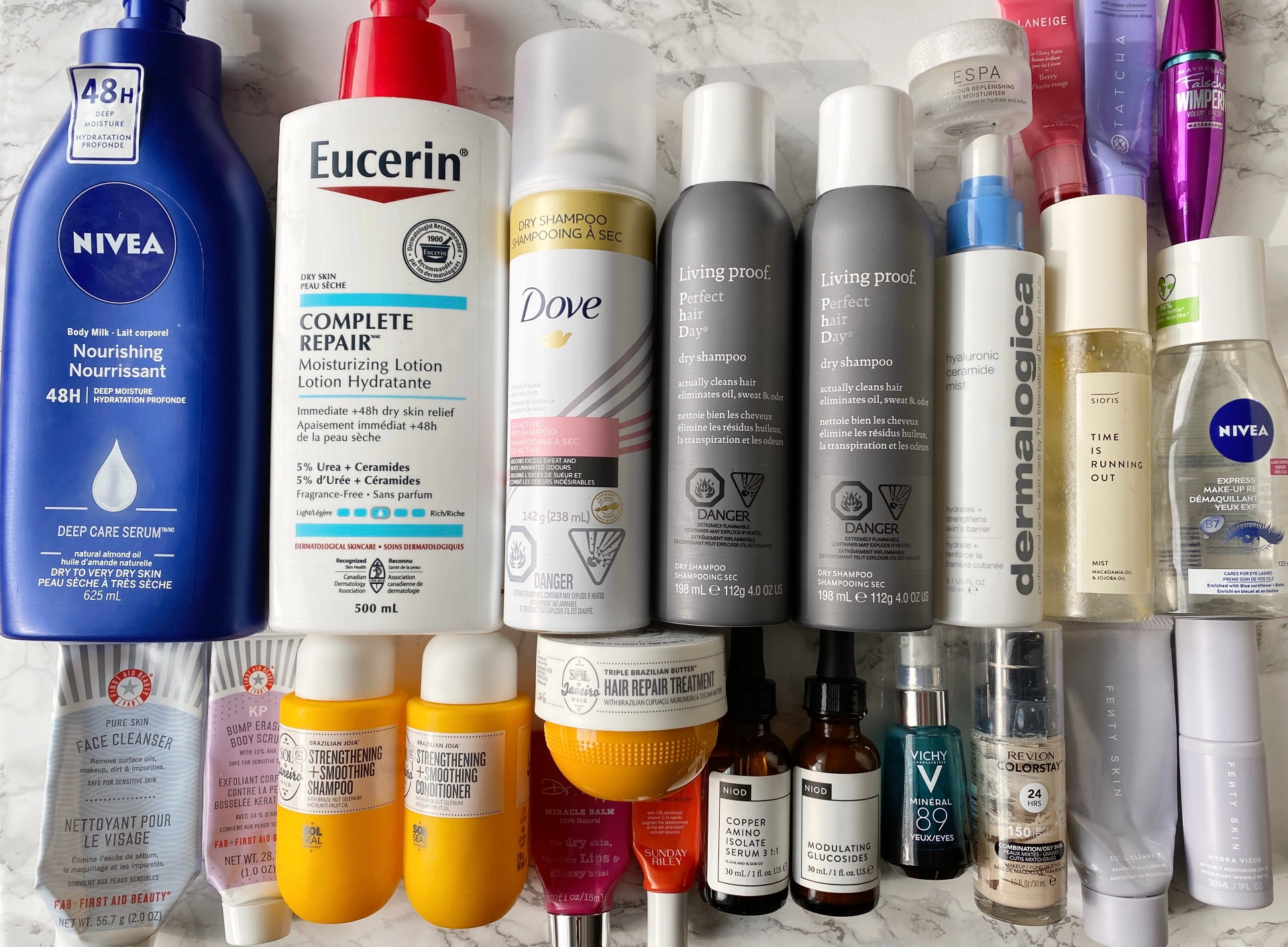
Beauty products are substances used to improve or change the appearance of the face or smell and texture of the body. Such products include nail vanishes, hair shampoos, oils, lotions, creams, deodorants, antiperspirants, etc.
Education
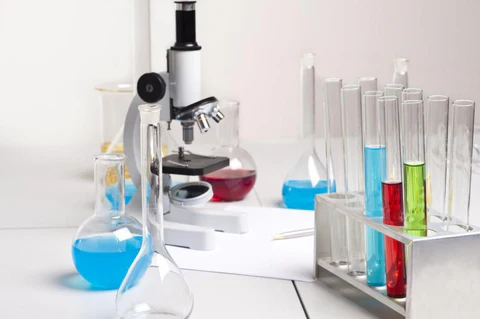
Many items we use at school are made by applying chemistry. Laboratory chemicals are prepared from minerals that are mined from the rocks in the earth through chemical processes. Other important materials in education field that are made through chemical processes include chalks, laboratory apparatuses, reagents, ink, rubber, and paper.
CHAPTER SUMMARY
Chemistry is a branch of science which deals with the study of nature, properties and composition of matter.
The knowledge obtained from chemistry can be used to produce different materials which help to meet our basic human needs like food, shelter, clothing, comfort and health. These materials include soaps, clothes, cement, iron sheets, food, drinks, cosmetics, etc.
Chemistry is important because it is applied in many fields such as agriculture, manufacturing industry, medicine, food and beverage industry, education, home care and beauty industry, transport and communication, textile industry and leather industry.
Review Questions
Question Time 1
A.1. Which of the following fields of chemistry deals with the study of carbon compounds?
- Analytical chemistry
- Physical chemistry
- Organic chemistry
- Environmental chemistry
2. The knowledge of other science subjects is important in the study of chemistry because_____.
- it improves one’s thinking ability
- it makes us enjoy our life
- it helps us study chemistry better
- it makes students hate studying chemistry
3. What is the name of a person who studies science?
- A chemist
- A biologist
- A scientist
- A physicist
4. A scientist specialized in the study of chemistry is called a _____.
- scientist
- physicist
- chemist
- biologist
5. We study chemistry because it helps us understand_____.
- how new substances were discovered
- how to study and pass our exams
- how to behave well at school and home
- the nature, properties and behaviour of matter
6. Anything that takes up space and has mass is called_______.
- volume
- matter
- solubility
- weight
B. Write TRUE for the correct statements and FALSE for the incorrect statements in each of the statements below.
- Chemistry is based on imaginations
- Chemistry has no importance in life.
- The knowledge of chemistry helps us to understand nature.
- A person studying Chemistry does not need to study other subjects.
- Chemistry experiments are only conducted in laboratories.
- Cement, soaps, perfumes, and plants are all made through the applications of chemistry.
- Matter is anything that has weight and occupies space.
- Many materials that we use at home are made by applying chemistry knowledge.
- Chemistry is a branch of science.
- Chemistry involves the study of nature, behaviour and composition of matter.
11. List any five fields where chemistry knowledge is applied.
12. What do you understand by the term chemistry?
13. Explain any three branches of chemistry
14. Name ten different materials made by applications of chemistry
15. Write an essay about the applications of chemistry in daily life
REFERENCES
- Marandu, E.J. (2007). Fundamentals of Secondary School Chemistry, Book One. Kapsel Educational Publications. Dar es Salaam.
- Childs, A. (2000). Macmillan Secondary Chemistry. Macmillan Publishers Limited. Malaysia.
- Tanzania Institute of Education (1995). Secondary School Chemistry, Book One. NPC – (KIUTA). Dar es Salaam.
- SCSU, MoEVT-Zanzibar. (2008). Chemistry for Zanzibar Secondary Schools, Forms 1 & 2. Oxford University Press. Dar es Salaam.
Listening to this topic