Geography
Agriculture
Reading settings
Text size
Line spacing
Colours
Geography is the study of places and the relationship between people and their environment. Geographers explore both the physical properties of the Earth's surface and the human societies spread across it.In the context of dynamic and changing world, it is very crucial to study Geography so as to be able to achieve sustainable human development.
Agriculture
Introduction
In this chapter, you will learn about the meaning of agriculture, types of agriculture and their characteristics, advantages and disadvantages of each type of agriculture. You will also learn about growing of selected crops. The chapter ends with summary of the topic, revision questions and a list of references.
Objectives
By the end of this chapter, you will be able to define the meaning of agriculture and their types, describe the characteristics of small-scale agriculture at subsistence level, explain the effects of rapid population growth on small-scale agriculture, describe the advantages and disadvantages of small-scale agriculture, and explain ways of improving small-scale agriculture. Explain the meaning of large-scale agriculture and their types, list the major crops grown in each type of large-scale agriculture, describe the characteristics of large-scale agriculture, describe the requirements for the growth of agriculture, farm preparation, planting, care, harvesting, processing, storage and transport of crops, identify and locate major producing countries for respective crops in the world. Describe the contribution of produced crops to the economy of USA and Tanzania; explain problems facing large scale agriculture, drawing examples from Tanzania and USA. Describe how pastoralism and sedentary and commercial livestock keeping are practiced, explain the benefits and constraints of livestock keeping practices, compare livestock keeping between Australia and Tanzania, and describe livestock keeping as practiced by different communities in Tanzania.
The Meaning of Agriculture
Agriculture is the cultivation of crops and keeping of animals. Agriculture also refers to a science which deals with crop cultivation and livestock keeping. It is the oldest human activity which has been practiced by many societies in the world. Through agriculture, human beings grow crops for the use by households and supply to industries.
Crop cultivation is also called arable farming and the keeping of animals is also called livestock keeping or livestock husbandry. Agriculture is considered as a primary human activity since it involves the production of raw materials that can be used by other industries, In the past, agriculture was considered to involve the cultivation of crops only. In modern times, the meaning of agriculture has expanded to include rearing of animals, poultry keeping, fish
farming and even keeping of nonconventional animals such as crocodiles, camels and ostriches. Basing on the scale of production and technology agriculture is categorized into two types, namely, small scale agriculture and large-scale agriculture
Small Scale Agriculture
Small scale agriculture is the production of crops and livestock on a relatively small piece of land without using advanced technologies (Figure 2.1). Small-scale farming requires small plots of land (not more than four hectares). This involves cultivation of crops and keeping of livestock for both subsistence and commercial purposes. Where the farming is practised for subsistence purpose, most of the produce is reserved for consumption. Where it is practised for commercial purpose, most of the produce is sold for cash to earn income

Characteristics of Small Scale Agriculture at Subsistence Level
Explain the characteristics of small-scale agriculture at subsistence level
The following are characteristics of small-scale agriculture;
- Most of the labour is provided by family members and it is manual in nature
- Farmers use very simple tools such as hoes, mattocks, rakes and bush knives to prepare farms. In some cases, ox- ploughs are used
- The common ways that are used to improve soil fertility includes the use of organic manure, crop rotation and mulching. Mulching involves covering the top soil with crop residues and animal remains to retain moisture. iv. Farmers often plant different types of food crops on the farm. Crops grown include paddy, beans, maize, sunflower, vegetables and other crops
- There is little or no surplus. In most cases a large part of the production is used to feed the family and the little surplus is sold
- The land cultivated for subsistence farming is always small and the total yield and the yield per area of land are small. This is because of the fragmentation of arable land into small plots owned by individual farmers
- Production mainly involves the use of simple methods of cultivation such as shifting cultivation. However, due to the shortage of arable land, farmers are slowly switching to crop rotation as the most common method of cultivation
- There is little or no use of advanced technology in terms of seeds, fertilizer or advanced machinery and equipment
- Most farmers practice mixed farming which involves the growing of crops and keeping of animals. Examples of animals include goats, cows, and poultry. These animals provide the manure which is used to improve soil fertility of the farm
- Usually, poor storage facilities are used to preserve the yield which may be destroyed by pests, insects or un-favourable weather conditions.

The Effects of Rapid Population Growth on Small Scale Agriculture
Explain the effects of rapid population growth on small scale agriculture
Rapid population growth refers to an increase in population size which does not match with the resources available to support the population. The following are effects of rapid population growth on small scale agriculture;
- Reduction in the average size of farms per adult farmer: Because the land is continuously being divided among farmers, plot sizes continue decreasing generation after generation
- Exhaustion of soil fertility: The large number of people hinders the practice of crop rotation which could allow natural replenishment of soil fertility. As a result, each plot of land is continuously used an aspect which leads to exhaustion of spoil fertility over time
- Abundant and cheap labour: Due to rapid population growth, labour is cheaply and readily available
- Change from subsistence farming to intensive small-holder farming: As the population grows, the farmers are forced to fully utilize the available small portion of arable land through the use of fertilizers and agrochemicals aiming at producing more food to feed the entire population
- Land conflict: There is the possibility of occurring land conflict because of overpopulation
- Land scarcity: As populations increases eventually some people will not own any piece of land and the available land becomes more expensive.
Advantages and Disadvantages of Small Scale Agriculture
Describe advantages and disadvantages of small-scale agriculture
The following are advantages of small-scale agriculture;
- The production costs are cheap because it uses family labour, simple tools, uses manure and seeds that are locally produced and available
- Acquisition of land is cheap because most farmers inherit the land from their parents free of charge
- The management of small-scale agriculture is easy and economical because it is mainly managed by family labour
- It is a source of employment: small scale production is more labour-intensive i.e., there is more use of labour than machinery. Source of revenue: Besides producing for subsistence, farmers sell the surplus and earn money
- It provides food required to feed the ever-increasing population
- It encourages the development of permanent settlement among farmers
- Freedom of work: There is complete freedom of work in terms of time and amount of work to do on daily basis or during particular seasons
- Yields are safe to the health of consumers because very little or no use of agrochemicals in production
- There is maximization of land use because farmers can grow and rear the animals on a single plot of land.
Disadvantages of Small-Scale Agriculture
The following are disadvantages of small-scale agriculture;
- Less use of machines which cause fatigue and leads to low production
- Low productivity due to use of crude tools hence poor standard of living
- Difficulty in getting loans this is because most of the farmers do not own collaterals that are needed by banks
- Drought can lead to production losses and famine because small-scale farming is rain-fed agriculture
- Over-cultivation of land which can lead to loss of soil fertility, hence, making the land unproductive
Ways of Improving Small Scale Agriculture
Improvement of small-scale agriculture is important in order to ensure supply of food to the population, supply the raw materials needed for industries.
The following are the ways to improve small-scale agriculture;
- Training farmers about new farming techniques which are affordable to them. The training can be achieved through participation by the government, private companies or nongovernmental organizations
- Providing farmers with loans to purchase farm implements and other inputs such as improved seeds, fertilizer and agrochemicals. Likewise, the government should provide subsidies to the farmers so that they can get the inputs at reasonable prices
- Establishing and supporting irrigation schemes to avoid dependence on rainfall. This will in turn enable production throughout the year
- Educating farmers on proper farming methods by agricultural extension officers and other stakeholders in the agriculture sector. Farmer education may include training on the use of high-yielding seeds and proper use of fertilizes and agrochemicals
- Forming cooperatives and encouraging farmers to join in managing their cooperatives. Cooperatives assist farmers to obtain loans and marketing of their produce at a better price
- Building and improving rural access to roads to enable farmers‟ produce, most of which are perishable to reach the market in time. This will boost the marketing of agricultural produce and hence trigger more production
- Controlling rapid population growth through birth control measures such as family planning education
- Empowering women through sensitization and awareness rising on more participation in decision about earnings from agriculture produce in which women are traditionally excluded. This will enhance rational utilization of earning from agricultural produce
- Encouraging people in regions where arable land is very scarce to move to other areas of the country where they can buy or hire land for agricultural production. This practice can help to reduce continuous fragmentation of the land among family members generation after generation
Large Scale Agriculture
Large scale agriculture is the farming system which takes place on a large area for commercial purposes. Large-scale agriculture is also known as large scale farming, industrial farming, commercial agriculture or estate agriculture. Large-scale farms utilize various advanced methods to maximize production and profit
Types of large-scale agriculture
Name types of large-scale agriculture in the world
Based on the mode of production involved, large-scale agriculture is categorized into two types, namely, intensive agriculture and extensive agriculture.
(a) Intensive agriculture
Intensive agriculture is the system of production which is labour and capital-intensive relative to land area. A large labour force is necessary for activities such as the application of fertilizer, insecticides, fungicides, and herbicides to growing crops. Capital is particularly important for the acquisition and maintenance of high-efficiency machinery for planting, cultivating, irrigation schemes and harvesting and storage.
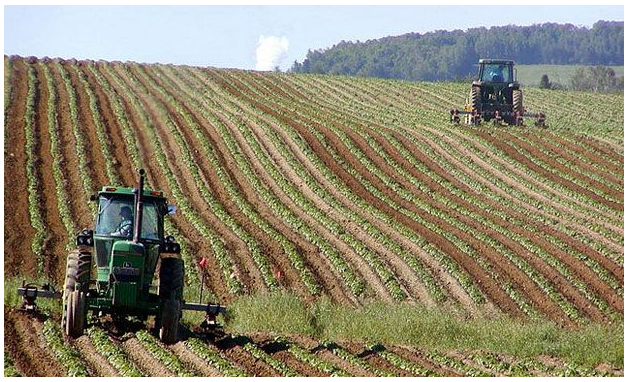
The use of these materials and machines produces significantly high crop yields per unit of land than extensive agriculture (discussed below), which uses little capital or labour. As a result, the practice of intensive agriculture will require less land than a farm practicing extensive agriculture to produce a similar profit. Intensive agriculture often encourages farm operators to work very large tracts in order to keep their capital investments in machinery productive (Figure 2.3)
The increased productivity of intensive agriculture enables the farmer to use a relatively smaller land area that is located close to the market, where land values are high relative to labour and capital. If costs of labour and capital spent for machinery and chemicals, and costs of storage (where desired or needed), and transportation to market are too high, then farmers may find it more profitable to turn to extensive agriculture
However, in practice, many relatively small-scale farmers employ some combination of intensive and extensive agriculture, and many of them operate relatively close to markets. Many large-scale farm operators, especially in advanced nations as Canada and the United States, practice intensive agriculture in areas where land values are relatively low, and at great distances from markets, and farm large tracts of land with high yields. However, in such cases overproduction (beyond market demands) often results in diminished profit as a result of low prices
(b) Extensive agriculture
Extensive agriculture is the system of crop cultivation using small amounts of labour and capital in relation to the area of land. The crop yield in extensive agriculture depends primarily on the natural fertility of the soil, topography, climate, and availability of water. Extensive agriculture is different from intensive agriculture because it employs relatively small amounts of labour and capital. The commercial use of extensive agriculture requires large tracts of land in order to be profitable because extensive agriculture produces a lower yield per unit of land
The demand for more land for extensive agriculture requires carrying it where land values are low in relation to labour and capital. This also implies that extensive agriculture is practiced where population densities are low and usually at some distance from primary markets
In large scale agriculture, various types of crops are grown which include sisal, tea, rubber, coffee, sugarcane, wattles, bananas, pineapples, cocoa, oil palm, coconuts, mangoes, tobacco, cotton, jute, hemp, wheat, rice, and maize. These crops are mostly grown in plantations which are also called estates. Plantation agriculture involves the cultivation of cash crops on a large area of land, approximately 100 hectares. The type of farming practiced is normally monoculture
Major Crops Grown in Each Type of Large Scale Agriculture
List the major crops grown in each type of large-scale agriculture
Large scale agricultural production is done mainly for commercial purposes. However, in intensive farming where the population is high, food crops are grown together with cash crops. Crops which are grown in large scale include tea, coffee, cocoa, bananas, sisal, sugarcane, grain and rubber. Large scale cultivation is very common in Asia, Africa and America.
Characteristics of Large Scale Agriculture
Describe characteristics of large-scale agriculture
The characteristics of large-scale agriculture include the following:
- It involves the production of cash crops, and only one crop is grown (monoculture).
- Farms are very large and are mostly found in sparsely-populated areas. Farms are owned by the government, cooperatives, companies or wealthy individuals.
- It involves the use of skilled and unskilled labourers. Skilled labourers are used to manage crops while unskilled labourers are used during planting, weeding, harvesting and storing the crops.
- Mechanization and high levels of technology are employed in most farm operations such as land preparation, planting, crop breeding, research, harvesting, and storage.
- Great use of agrochemicals such as herbicides, insecticides, pesticides and fertilizers.
- Investment in large-scale farming requires a lot of capital, which is obtained from loaners such banks and cooperatives, or from personal savings.
- Irrigation system may be applied in case the rainfall is not sufficient to water the crops; hence, production per unit land is high.
Requirements for Growth, Farm Preparation, Planning, Care, Harvesting, Processing, Storage and Transport
Describe the requirements for growth, farm, preparation, planning, care, harvesting, processing, storage and transport.
In most cases, crops grown in large-scale agriculture include the following
COTTON
Cotton is a commercial crop grown; its fibres (lint) are used for making fabrics. Besides being the source of fibres, cotton plant is also the basic raw material for the production of edible oil and cottonseed meal/cake that is used as livestock feed. The requirements for cotton growing are explained below
Conditions for cotton growth
Cotton grows in tropical and sub-tropical warm, humid climate. It requires equitable temperature distribution and bright sunshine. The annual temperature requirement for cotton is 20°-28°C. Annual rainfall of 500-1000mm is required for cotton cultivation unless it is grown under irrigation. The crop requires at least 200 frost-free days. Heavy rains and humid weather during later stages of cotton cultivation may spoil the fibres, lower its ginning properties or promote attack of insects, pests, and diseases. Dry weather is required at harvesting because rain will discolour the fibres and reduce its quality
Cotton needs soil with sufficient water-holding capacity and aeration and good drainage because it cannot withstand excessive moisture and waterlogging. The major groups of soils for cotton cultivation are the alluvial soils, black soils, and red sandy loam soils
Cotton cultivation is very labor-intensive, therefore, a large number of cheap labour is required. Labour is required for land cultivation, planting, care for the crop, harvesting, sorting and processing. On the other hand, mechanized cotton cultivation requires huge capital for machinery, pesticides and fertilizers
Land preparation
Before planting, the soil is ploughed and harrowed to make the soil suitable for sowing the seeds. The land is ploughed using a tractor, harrows, ox plough, or manually by using hoes. Ploughing is preferably done during the dry season to ensure many weeds are destroyed. After the land has been ploughed in the dry season, it awaits planting of the seeds during the rainy season
Planting and caring for the cotton crop.
Cotton is generally propagated by seeds, but vegetative propagated plants give high yield and quality. Budding, grafting and layering have also been found successful. Unless the crop is grown under irrigation, planting is done during the rainy season. This ensures maximum germination of seeds. A spacing of 75-90 cm between the rows is generally recommended for an irrigated crop. For dry-land cotton, a spacing of 45-60 cm between rows is adopted. Cotton should be planted at a depth of not more than 2 cm
Fertilizer application differs from soil to soil depending on the available nutrients in the soil. The key nutrients needed for cotton production are nitrogen (N), phosphorus (P), and potassium (K). Correct and timely application of fertilizers with these nutrients will improve crop quality and harvest. Deficiencies are rare in other essential nutrients such as copper, boron, calcium, magnesium, Sulphur, manganese, iron, zinc, cobalt and molybdenum
Weeding begins 30-40 days after sowing. Thinning of cotton follows after seed germination is a special feature of the irrigated crop. Weeds can be controlled manually through weeding using hoes or herbicides
In Tanzania, cotton aphids and cotton jassids are controlled by spraying Malathion 0.08%. Cotton leaf roller, spotted bollworm, and pink bollworm are controlled by dusting the crop with 10% carbonyl whereas red cotton bug and dusky cotton bug are controlled by dusting with 5% BHC
Harvesting
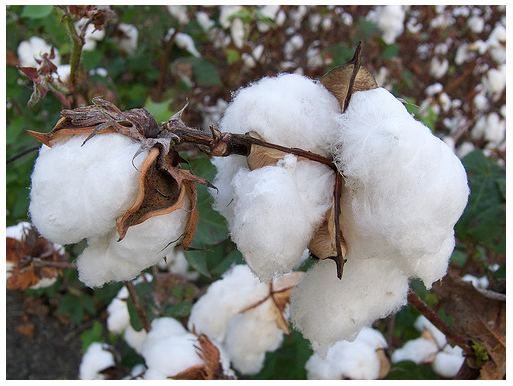
Cotton is harvested in three or more pickings at suitable intervals. The season of harvesting varies with the date of sowing and the cotton variety. Well dried bolls are picked either manually or by using harvesters
Processing
In Tanzania, after picking, the cotton is sorted by hand and then graded into the best grade, uncontaminated and cotton leftovers. The sorted cotton is sold to ginneries for ginning (separation of lint from the seed). The first step in the ginning process is when the cotton is vacuumed into tubes that carry it to a dryer to reduce moisture and improve the fibres quality. Then it runs through cleaning equipment to remove leafy trash, sticks and other foreign matter
Transportation and storage
Ultimately, the lint is compressed into bales and transported by trucks, lorries, or any available means of transport, to textile industries, ready for making clothes and other items.
TEA
Tea, whose botanical name is Camellia sinensis, is an evergreen shrub native to Asia. After water, it is the most widely consumed drink in the world. Tea is believed to have originated in China, where it was used as a medicinal drink. It was then popularized as a recreational drink, and tea drinking spread to other East Asian countries. From there, it spread to other parts of the world, including East Africa. Tea was introduced in East Africa in 1900 at Entebbe in Uganda. It was also introduced in Tanzania and in Kenya at Limuru in 1903
Suitable conditions required for the growth of tea
The tea plant is an evergreen tree which grows in tropical or sub-tropical regions. Tea requires a moderately hot and humid climate. Climate influences yield, crop distribution and quality. Temperature affects tea yield by influencing the rate of photosynthesis and controlling growth and dormancy. Tea needs mean annual rainfall ranging between 1200 mm and 3000 mm, and a temperature of between 10°C and 30°C. A temperature of 21°C during the growing season of not less than eight months is ideal
Tea is grown in a variety of soils. It grows well on highlands, and well-drained soils having good depth and more than 2% organic matter. The best soil, however, is light, friable loam soil which permits a free percolation of water, for tea is highly intolerant to stagnant water. In general, the most suitable soils are slightly acidic (pH= 4.5-5.5) soils without calcium
Tea grows well at an altitude ranging between 1500 and 2200 m above sea level. Almost all the commercially managed tea plantations are located in the highlands and on hilly slopes where the natural drainage is good. However, higher altitudes are not suitable because of frequent frost. Tea cannot tolerate stagnant water and waterlogged lowlands are thus least suited to tea cultivation. Shallow and compacted sub-soils limit root growth. Tea plants grown on such soils are liable to suffer from drought during the dry period and waterlogging during the rainy months
Land preparation for Tea
The field for planting tea is prepared just like it is done for other crops. It is prepared when the cuttings are almost ready for transplanting. If the field is new, the land is cleared of bush and then ploughed. Deep digging is important to turn the soil over. This helps to kill the weeds. Generally, all the bad weeds such as striga and couch grass must be removed from the field; otherwise, they will compete with crop plants for nutrients and hence lower the yields. The holes for planting
cuttings should have a circumference of 25 cm and 40 cm deep. Holes should be 70 cm or 90 cm apart. The space between rows should be about 1.5 m
Planting and caring for the tea crop
Because seedlings take long time in the nursery before they can be planted, tea is usually propagated from cuttings. Cuttings are obtained from mature trees or clones (cloning is one of the various technologies used in plant breeding). To control the weeds, early and occasional weeding is of utmost importance
A high level of humidity, lots of sunshine and plenty of rain make the ideal planting conditions. The presence of iron in sub-soil is desirable. On the sloping land, which is most suitable for tea, soil erosion is often a problem. This is combated by planting tea bushes in lines along the contours
Tea shrubs grow better when shielded from strong sunlight or violent winds. It is therefore usual in plantations to plant some large trees in between the shrubs to give shade not only to tea plants but also to workers
Tea should be fertilized by fertilizer with a mixture supplying 60 kg N, 30 kg P2O5 and 30kg K20 per hectare in one or two doses after pruning. Nitrogenous fertilizer is very essential for the promotion of leaf growth. Besides this application, plants benefit from compost derived from leaf fall of leguminous shade trees as green manures
Harvesting of Tea
In the wild, the tea plant can reach 10 - 15 metres tall, but to make it easier to harvest its leaves, it is pruned to a height of about 1.10 metres from the ground. It has a lifespan of around 40 years. The tea leaves are plucked at an interval of 5 to 7 days during the rainy season and 10 days during the dry season

Tea cultivation and processing are labor-intensive tasks. The preparation of weeding, manuring, pruning and picking goes on all the year round on tea estates. Tea picking is a tedious job; it requires both skills and patience. Tea takes around 3 years before it is ready for the first harvest
Tea bush is ready for harvesting after 4 to 5 years of planting and having a height of 45-60 cm. Plucking is usually restricted to 2 leaves and a bud. This is called fine and light plucking. Coarse or hard plucking includes extra one or two leaves
Picking is done entirely by hand, and pickers are paid by piece rate, i.e., by the amount of tea picked during the day. Workers are also required in the weigh stations where leaves are sorted and in tea processing plants where the leaves are dried, rolled, fermented, sifted, graded and packed
Processing.
Tea processing is the method in which the leaves from the tea plant ‘Camellia sinensis’ are transformed into the dried leaves for brewing tea. For manufacturing of black tea, the plucked leaves are dried for 18 - 24 hours in ventilated indoor racks, rolled for half an hour mechanically to break up cells, and then fermented or oxidized again for 8 hours at 27°C to 105°C. They are then passed through sieves of different meshes, thus sorting out grades
Transportation and storage.
After processing, tea is stored in warehouses and large stores, awaiting sale to final consumers. Raw tea is transported to factories via roads and railways. The finished products are transported to consumers via roads, railways or airways
COFFEE
Coffee has a long and varied history and historians are not exactly sure where coffee began before being spread across all parts of the world. But there is strong evidence to suggest that coffee originated in the mountainous region of Abyssinia, or current day Ethiopia, some over 2,000 years ago.
Of the many known species of coffee, there are four common coffee species: Arabica, Liberica, Excelsa and Robusta. But of these common species of coffee, only two are of economic importance, that is, Arabica and Robusta. Arabica is considered to be of the best quality because of its excellent flavour and aroma. Globally, Arabica accounts for roughly 75% of total world production, while Robusta accounts for the remaining 25%
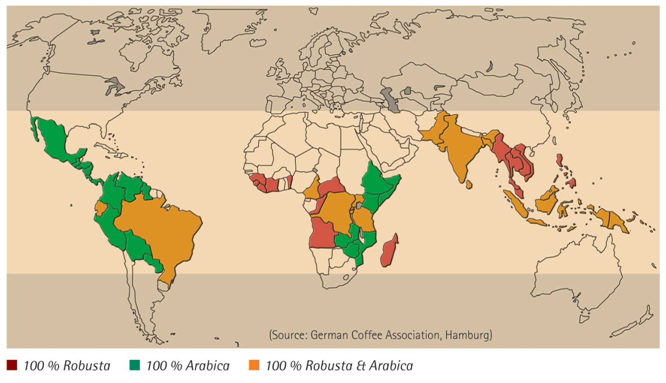
Coffee is a tropical plant which is also grown in a semi-tropical climate. The majority of the coffee cultivated worldwide is concentrated within 10° north and south of the Equator in an area known as the ‘Coffee Belt’ (Figure 2.6)
Suitable conditions for coffee growth
Coffee requires deep, friable and loamy soil. Heavy clay soil is not conducive because too much water can affect coffee growth. The soil should have a good water-holding capacity and one that is well aerated. The right pH (acidity) is neutral (7.00) to slightly acidic (between 5.5 and 6.0). In general, coffee needs a relative humidity of 70 to 85% and a temperature of 13°-26°C, as well as an annual rainfall of 1500 to 3000 mm distributed evenly throughout the year
Arabica can be planted 900 -1800 metres above the sea level while Robusta, Liberica and Excelsa can be planted from sea level up to 900 metres above the sea level. Arabica, being tropical in nature, requires that the plant receives 1000 - 2000 mm of rainfall per year and grows at an ambient temperature of 15° - 24°C, Robusta, on the other hand, requires slightly more rainfall (2200 - 3000 mm/year) and can grow up between 4.5 - 6.5 m in height
Direct sunlight is harmful to coffee plants; therefore, these are planted under the shade of taller trees. Trees serve as windbreaks. In Tanzania, coffee is often intercropped with the banana to provide shade and break the winds. In Brazil, leguminous plants are used which not only provide shade but also enrich the soil with nitrogen
Generally, coffee is grown on slopes. The suitability of slopes for coffee is because these are well drained and also cooler. Water stagnation is very harmful to coffee plants; therefore, hill slopes are suitable for the crop. As far as coffee production is concerned, there is much work to be done all year round such as field preparation, transplanting, and weeding, pruning, harvesting and disease control
Land preparation for coffee
The field on which to plant coffee should be prepared six months in advance. During soil preparation for coffee planting, heavy vegetation and large rocks are removed. Where the land is not too rocky, clearing involves the removal of rocks, debris, and vegetation. Holes for planting coffee seedlings, which are dug at least three months in advance, should measure at least 0.6 × 0.6 × 0.6 m. Coffee is planted in rows 2 m apart with plants 1.5 m apart within the rows.
Planting and caring for the coffee crop
Coffee seeds are generally planted in large beds in shaded nurseries 2 - 3 cm deep. The seedlings are watered frequently and shaded from bright sunlight until they have grown enough to be transplanted. Transplanting often takes place during the wet season. Care for the coffee crop includes fighting against pests and diseases of coffee, controlling weeds, and adding manure and/or fertilizer
Coffee berry borer and leaf folder are insect pests that attack coffee. Coffee berry borer is controlled by collecting and destroying infested berries before and after harvest and by not keeping ripe and overripe berries on the plant. Also, pruning excess branches to expose trees to sunlight and harvesting early before berries are fully ripe can help control the problem. Coffee leaf folder can be controlled through spraying with the correct insecticide
The most destructive disease of coffee is coffee leaf rust. To prevent it, use disease resistant coffee strains. However, you can also spray the plants with copper fungicides at 2 to 3 weeks interval at the start of heavy rains until the berries mature. Another disease, called die-back, is characterized by the drying of branches and twigs from the tip downwards. To control it, prune off the diseased branches. As a control measure, apply the right kind and amount of fertilizer at a proper time
It is important to control weeds because they compete with the crop for nutrients. Weed the crop as often as the weeds occur. Weeding can be done manually by digging with a hoe or ox-drawn mould board plough. In the case of large plantations, chemicals called herbicides (weed killers) can be used to kill the weeds
Harvesting coffee
Depending on the variety, it will take approximately 3 to 4 years for the newly planted coffee trees to bear fruits. The fruit, called the coffee cherry, turns a bright, deep red when it is ripe and ready to be harvested. Because coffee is often grown in mountainous areas, the widespread use of mechanical harvesters is not possible and the ripe coffee cherries are usually picked by hand. The main exception is Brazil, where the relatively flat landscape and immense size of the coffee fields allow for machinery use. Coffee has now been mechanically harvested for over 20 years, while there are a few different brands of machines they are all basically the same design with the same components
Coffee is harvested in two ways;
- Strip picking – all the cherries are stripped off the branch at one time, either by machine or by hand
- Selective picking – only the ripe cherries are harvested, and they are picked by hand, Pickers check the trees every 8 to 10 days and individually pick only the fully ripe cherries. This method is labour intensive and more costly. Selective picking is primarily used for the finer Arabica beans

Processing coffee
After the coffee is harvested, it undergoes a processing method in which the coffee beans are removed from the raw fruit. The most popular methods of coffee processing are explained below
Dry process: It is also known as the unwashed or natural process. In this process, the newly harvested coffee cherries are sorted and dried in the sun or in combination with machine drying. It is important that the cherries are dried to the correct moisture content because over drying will result in brittle coffee beans that will produce a bad roast. On the other hand, cherries with too much moisture content cannot be easily stored, because they are prone to attack by bacteria and fungi
Semi-dry process: This is a relatively new method of processing that is commonly used in Brazil and Indonesia. This process involves wet grinding in which the skins of the coffee cherries are mechanically removed by a pulping machine. Afterwards, the mucilage may be washed off before the coffee beans are dried. In some cases, the mucilage is not washed off and the coffee beans are allowed to stay for a day before being dried
Wet process: Generally, the wet process involves washing the pulp of the coffee cherries to expose the coffee beans. The wet process method can be done by any of these two ways;
- Ferment and wash processing: In this process, the pulp is broken down by microbes when the cherries are fermented. The fermentation process breaks down the cellulose in the pulp to release the coffee beans. The cherries are then washed to separate the coffee beans from the pulp
- Machine assisted wet processing: In this process, the cherries are mechanically scrubbed until they break apart and the coffee beans are released.
After the coffee beans have been separated, they are dried. These beans can be sun-dried by spreading them on drying tables or floors, where they are turned regularly, or they can be machine dried. Dry beans are processed (milled) in the following manner;
- Hulling: Hulling dry coffee refers to removing the entire dry husk or hull (the exocarp, mesocarp and endocarp) of the dried cherries using a huller
- Polishing: This is an optional process where any silver skin that remains on the beans after hulling is removed by machine. While polished beans are considered superior to unpolished ones, in reality, there is little difference between the two
- Grading and sorting: Beans are graded by passing them through a series of screens (sieves). They are also sorted pneumatically by using an air jet to separate heavy from light beans
Finally, defective beans are removed either by hand or by machinery. In many countries, this process is done both by machine and by hand, ensuring that only the finest quality coffee beans are exported
Transportation and storage of coffee
Harvested coffee is transported from the plantation or coffee field to the processing factories through roads or railways. The dried beans, known as parchment coffee, are warehoused in jute or sisal bags until they are ready for export or sale. The storage facilities must be well-ventilated to maintain the freshness of the beans. After processing, the milled beans, now referred to as green coffee, are loaded onto ships in jute or sisal sacks, shipping containers, or bulk-shipped inside plastic-lined containers
SUGARCANE
Sugarcane, ‘Saccharumofficinarum’, is a tropical, perennial grass that forms lateral shoots at the base to produce multiple stems, typically 3 to 4 m high and about 5 cm in diameter. All sugarcane species interbreed, and the major commercial cultivars are complex hybrids. Sugarcane is indigenous to tropical South and Southeast Asia. The crop was introduced to other parts of the world by European explorers. Sugarcane is an important commercial crop in Tanzania, and it is the main source of sugar produced for both export and domestic consumption. Its production is concentrated mainly in three regions, Morogoro, Kagera and Kilimanjaro

Conditions for growth.
- Sugarcane requires a well-distributed, total rainfall between1100 - 1500 mm per annum, abundant in the months of vegetative growth followed by a dry period for ripening. The duration of the rainy season is important in sugarcane growth. For example, at the Kilombero Sugarcane Estates where annual rainfall could be as high as 1500 mm per annum, sugarcane is also irrigated because most of the rainfall is restricted to the period between March and May. On the other hand, if rainfall is insufficient during the dry season, supplementary irrigation becomes necessary to ensure effective development of stems. In this context, water stress occurring in the plant during stem elongation severely reduces cane production
- Sugarcane is mainly a tropical crop. It thrives well in hot climates with temperatures ranging between 21 and 27°C
- Sugarcane does not require any specific type of soil as it can be successfully raised on diverse soil types ranging from sandy soils to clay loams and heavy clays. A well-drained, deep, loamy soil is considered ideal for sugarcane cultivation
- Sugarcane is grown in the world from latitude 36.7° N and 31.0° Sand from sea level to 1000 m of altitude or little more. It is essentially considered as a tropical plant
- Sugarcane is a sun-loving plant. It grows well in areas receiving sufficient amounts of sunlight
- It requires a flat or undulating land for easy mechanization and adequate drainage
- Sugarcane is a labour-intensive crop. Labourers are needed to do the numerous farm operations, ranging from land preparation to transportation of the processed beans
- The plantation should be well supplied with all-weather roads for transportation of farm inputs and harvested sugarcane
- Establishment of a sugarcane plantation requires a lot of capital to be spent on inputs, labourers, machinery and other farm necessities
Land preparation for sugar cane
Sugarcane requires deep tillage. Deep tillage includes ploughing using a tractor and harrow or moldboard plough. If the land is virgin, clear the bush and uproot all stumps, followed by ploughing with a tractor. The second ploughing can be done by a moldboard plough or a disk harrow. The soil is then levelled, and manure or fertilizer is added before planting the cane. Fertilization should be done only if the field is unfertile and after undertaking soil nutrient analysis. When field preparation work is over, shallow furrows 1.2 – 1.8 m apart are made across the field. During planting, sugarcane cuttings are placed in these furrows and covered with soil
Planting and caring for the sugarcane crop
Sugarcane is grown from cuttings of mature stalks. Each cutting, called sett consists of 3 - 4 nodes. In some cases, the whole stalk is used. The sets are laid horizontally, next to each other, in the furrows and covered with soil. The field is watered well, keeping it moist at all the time until sugarcane sprouts in approximately two to three weeks. Watering is continued on a regular basis so as to keep the soil moist. The bud forms the stem and after it is well established, it forms its own roots at its base. It also forms a cluster of own roots called a stool. The sett then dies off
After the sugarcane has established itself, a nitrogenous fertilizer is applied to the field. Usually, it is applied one month after the sugarcane has emerged from the ground and another application is done later as it may be deemed necessary. The sugarcane should be ready to harvest in about 10 to 18 months, depending on the variety
Managing weeds is critical for successful sugarcane production since they compete with the crop for space, light, water and nutrients. Weeds can reduce cane yields by 12 to 72% depending on the weed intensity. Weeding is done 3 to 4 times before harvesting. Weed the crop as early as the weeds begin to emerge from the ground and repeat when the weeds reappear. Some farmers use herbicides (weed killers) to kill the noxious weeds. Integrated weed control program involving crop rotation, manual weeding, and proper seedbed preparation, maintenance of optimum plant population, mechanical inter cultivation and herbicide applications can also be applied
Harvesting sugarcane
Sugarcane harvesting is done either manually by using labourers or mechanically by the use of machines. In many countries, even today harvesting is done manually using various types of knives or axes. Manual harvesting involves cutting off the stalk of the cane at the base, making sure that the cut is as close to the ground as possible. The immature nodes at the top are trimmed off and the resulting stalks are piled up on the ground ready to be transported by Lorries, tractors, trucks or other means of transport to the cane mill. The leftover cuttings provide mulch which keeps moisture, stops the growth of weeds and helps to prevent soil erosion. In other areas, the stalks are burnt to remove dry leaves, weeds and other matter which can make harvesting and milling operations difficult
In mechanical harvesting, the harvester moves along the rows of sugarcane removing the leafy tops of the cane stalks, cutting the stalks off at the ground level and chopping the cane into small lengths called 'billets'. These are loaded into a haul-vehicle travelling alongside the harvester. The cane is then taken to a road haulage delivery point for transport to the mill. After harvesting, the stubble left behind grows new shoots, producing a "ratoon" crop. Two or three ratoon crops can be grown before the land is rested (or planted with an alternative crop such as legumes), ploughed and replanted for the cycle to start again

Transportation and storage of sugar cane
After harvesting, the cane is loaded by hand or mechanical loaders into haulage vehicles. Sugarcane is transported to the mills using trailers, trucks, or trains. When the sugarcane is cut, rapid deterioration of the cane begins. Therefore, unlike sugar beets, sugarcane cannot be stored for later processing without excessive deterioration of the sucrose content
Sugarcane processing
In the factory, the cane is weighed and then put in large tanks where it is washed to remove soil and other dirty. It is then cut into small pieces which are fed into roller mills to extract the juice. This is known as extraction. The remaining fibres, called bagasse, is dried and carried away for use as a biofuel in the boilers and in the manufacture of pulp and building materials or used as a source of cellulose for manufacturing animal feeds. It may also be used to generate electricity that is used in the factory
The juice is then cleaned with slaked lime which settles out a lot of the dirt so that it can be sent back to the fields. Once this is done, the juice is thickened up into syrup by boiling off the water using steam in a process called evaporation. Sometimes the syrup is cleaned up again but more often it just goes on to the crystal-making step without any more cleaning
The resulting syrup is placed into a very large pan for boiling, the last stage. In the pan, even more water is boiled off until conditions are right for sugar crystals to grow. Usually, some sugar dust is thrown into the syrup to initiate crystal formation. Once the crystals have grown the resulting mixture of sucrose crystals and mother liquor (massecuite) is spun in centrifuges to separate the two. Centrifugation removes the sugar crystals from the mixture. The resulting sweet by-product after the crystals are separated is called molasses. The crystals are then given a final dry with hot air to give brown sugar, which has large crystals. This sugar is further refined to produce brown and white sugars. The different grades of sugar are packed in bags ready for dispatch to the market
WHEAT
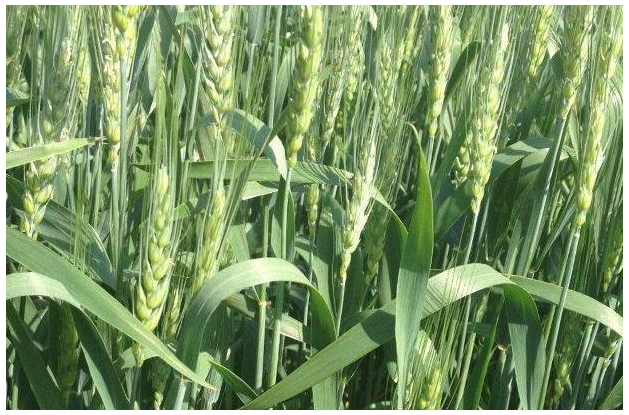
Wheat is one of the world's most important food crops. It is believed that wild relatives of wheat first grew in the Middle East. There are many species of wheat which together make up the genus Triticum. The most widely grown is common wheat (Triticum aestivum).
Wheat is Tanzania's fourth most important crop after maize, cassava and rice. Over 90% of the wheat produced in Tanzania comes from the northern highlands (Arusha, Kilimanjaro, and Manyara regions) and the southern highlands (Njombe and Mbeya regions). Production in the southern highlands is predominantly small-scale and in the northern highlands, it is large-scale
Conditions for growth of wheat
Wheat can be grown in a wide range of climatic conditions. However, cold, dry and clear weather is ideal for its growth and better yield of the crop. The average annual rainfall for wheat cultivation is about 800 to 1600 mm. The best temperature range for crop growth is about 7°C to 22°C
Low temperatures, frost, hot and humid climatic conditions are harmful to the crop, and they can drastically reduce the crop yield. In the early growth stage, it requires a cool temperature of about 15°C.Wheat also needs a lot of sunshine, especially when the grains are filling. The harvest period should also be sunny and dry. Rainfall seasonality is therefore important. Hot and humid climatic conditions encourage diseases such as rust and root rot
Wheat crop can grow in many soil types. Well-drained, fertile clay loamy soils having moderate water holding capacity are ideal for irrigated wheat cultivation. Black soils are also very well suited for wheat cultivation
Wheat is grown in plain as well as in rolling topography, which provides adequate drainage and the use of machinery. In wheat cultivation maximum use of technology is possible. The commercial wheat farming is technology intensive cultivation which requires tractors, harvesters, threshers, elevators, etc. Wheat farming is also linked up with export. Therefore, a good transport network is essential for its successful cultivation. It is capital-intensive farming; therefore, sufficient capital is required
Land preparation for wheat
The land is prepared by clearing the bush and removing stumps, stones and rocks. Then it is ploughed with a tractor or mould board plough. It is recommended to plough during the dry season to ensure as many weeds as possible are killed. This is followed by harrowing and levelling the soil. After the last harrow, manure and phosphate fertilizer are applied to the soil. Phosphorous is important as it enhances tillering and hence an increase in the crop yield
Planting and caring for the wheat crop
Propagation of wheat crop is done by seeds. Seed rate depends on variety (cultivar), cultivation method (rain-fed or irrigated) and sowing method. In large-scale plantations, wheat can be sown in the field through drilling or broadcasting methods. Usually, seed drills are attached to tractors to ensure uniform seed sowing. The space requirement in wheat cultivation depends on the variety and the sowing method. The ideal row spacing is 15 - 22.5 cm
Optimum planting depth varies with planting moisture, soil type, seasonal conditions, and climatic conditions. The general rule is planting as shallow as possible provided the seed is placed in the moisture zone but deep enough so that the soil will not dry to reach the seedling roots before leaf emergence. The optimum planting depth for wheat is around 5 – 7 cm. Avoid deep sowing in wet soils
Weed control is essential if wheat is to produce to its full potential and to prevent weed seeds from contaminating wheat at harvest. Weeding can be done mechanically by uprooting the weeds or by use of herbicides (weed killers). For best results, spray herbicides while weeds are small and actively growing. During the dry season, watering of the crop is inevitable. Wheat responds well to irrigation. Timely irrigation and avoiding water stress in crucial stages of wheat cultivation are important. Frequency of irrigation depends on soil type, climatic conditions and crop age (stage). Critical periods for water are at tillering and flowering stage.
Harvesting of wheat
Wheat can be harvested when the wheat grains become hard, and when the leaves and straws become hard, brittle and turn golden brown in colour. In small-scale farms, harvesting can be done by cutting the straws close to the ground level by sickle. After harvesting the crop, it should be dried for 4 to 5 days on the threshing floor and then threshed by a power-driven thresher. In large-scale farms, modern combine harvesters are used to harvest wheat. The harvester cuts, threshes, winnows and blows the grain onto a truck or tractor-pulled trailer moving alongside the harvester (Figure 2.11)
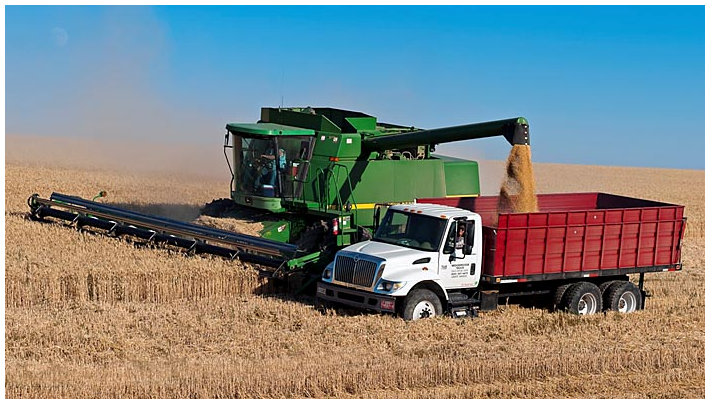
Processing wheat
Wheat is processed into wheat flour which is used to make various food products including bread, beer, biscuits, cake, chapati, among others. In the milling factory, the grains of wheat are sieved to remove chaffs, weeds, and any other unwanted material. The grains are then crushed in rollers to make different types of flours depending on the end-use of the flour
Whole meal flour, as its name suggests, is flour made from the whole grain of the wheat, from which nothing is extracted and to which nothing is added. It contains all parts of the wheat grain including the outer layers of bran, germ and endosperm. White flour, on the other hand, contains only the inner portion of the grain called the endosperm. Brown flour is usually roller-milled, bleached flour to which caramel (burnt sugar, used for colouring and flavouring food) and sometimes some bran has been added
Transportation and storage of wheat
Wheat is transported from the farm mainly by lorries, trucks, or trains to be stored. After cleaning, it is packed in bags and stored in silos or warehouses. Large scale farmers have all these storage facilities on their farms. After wheat has been milled, the flour is packed into bags of different sizes and stored in warehouses, awaiting transportation to consumers and baking industries. Finished flour is transported from warehouses to the market by use of lorries, trucks, trains, among other means
MAIZE
Maize (Zea mays) is a large grain plant. Historically, it was first grown by indigenous peoples in Southern Mexico about 10,000 years ago before spreading to other parts of the world. Currently, maize is a crop that is grown both on a large-scale and small-scale. In developed countries, maize is used for feeding livestock while in developing countries it is used for human consumption and serves as a staple food

Conditions for growth of maize
Maize is widely cultivated and grown in both tropical and warm temperate latitudes. Maize is grown in temperatures between 18°C and 37°C during the day and around 14°C during the night. It needs a total of 140 days of frost-free condition. The Cultivation and growing of maize are limited in temperate latitudes because it is very susceptible to frost. It requires sunny and dry conditions for ripening and harvesting periods
Maize requires at least 500 to 1000 mm of rainfall. It is grown mostly in regions having annual rainfall between 600mm to 1100mm. But it is also grown in areas having rainfall of about 400mm. In East Africa, maize can be grown in areas receiving between 300 and 1800 mm of annual rainfall. The crop can also be grown successfully under irrigation
Maize can grow on a wide range of soils. However, it grows at best in well-drained and well-aerated soils. Such soil includes loam, silty loams or alluvial soils with a pH of 5.5 to 7.0. Moreover, maize does not tolerate water-logging condition. Fairly flat land is most suitable for maize cultivation. This is because the flat land enables the use of machines. However, maize is also cultivated on undulating lands as well as on lower slopes of the hills. Little maize is grown in altitudes above 2000 m. This is because only long-term varieties can survive in high altitudes 2000 m
Land preparation for maize
For Large scale farms, the land for maize growing is prepared using machinery and farm equipment such as tractors, ploughs and harrows. The land is first cleared followed with two phases of ploughing. Then a harrow is used to cut the soil into small lumps and to remove the weeds before planting. On small-scale farms the land can be prepared by using ox-drawn mould board ploughs and even hand hoes. Ploughing should go a depth of at least 20 cm. The ploughing for small scale maize farming needs to be completed in two to three weeks before the onset of the rains to allow the weeds to wither and die
Planting and caring for the maize crop
The first step towards obtaining good maize harvest is ensuring that the farm is well-ploughed and ready for planting. After preparing the land, the farmer should then plan for the planting process by budgeting for and acquiring inputs such as fertilizers and seeds. Planting is done at the beginning of the rainy season, and it should be done when the soil is slightly wet. On large scale farms, holes are dug by tractor-pulled planters which drop maize in each hole as the tractor moves along. The machine then covers the holes with a light layer of soil. The space between holes may vary between 23 cm and 30 cm. The rows may be between 60 cm and 90 cm apart

At planting a phosphate fertilizer such as Diammonium Phosphate (DAP) is applied to the soil. Apply the fertilizer at a rate of about one teaspoon per hole. When the maize is at knee-high, which is about 3 - 4 weeks after planting, nitrate fertilizers are applied as top dressing. It is applied around the plant, and one should repeat application at later stage when the maize is about 8 - 10 weeks for best results. Urea may burn the plant if it touches the plant and therefore it should be applied at least 5 - 6 cm around the plant and not placed too far as it will not benefit the plant
Weed control is vital in maize farming because they compete with the crop for water, nutrients, space and sunlight. Weeds may be controlled by hand weeding or using herbicides. The herbicides are chemicals that kill the weeds while leaving the crop unharmed. If a hand hoe is used, maize farmers are advised to weed at least twice with the first weeding being done at around 3 weeks after planting and the second weeding at 8 weeks after planting
If the maize is planted in an area where it is likely to be attacked by insects or diseases, the correct pesticides must be used. Pesticides are chemicals used to kill the pests and treat diseases. The crop can also be irrigated if there is no sufficient rainfall during growing period
Harvesting maize
The right stage to harvest maize is when the stalks have dried, and the moisture of grains is in a reasonable amount. It is advisable to harvest maize as soon as it is dry. If it overstays in the field, it will be attacked by weevils or termites. On small-scale farms, the maize cobs are harvested manually by hands. On largescale farms, maize harvesters can be used if manual labour is not available and relatively cheap
Processing maize
Maize processing involves shelling which involves removing the grains from cobs. This can be done by using hands, beating with sticks, or using simple machines called maize shellers. Maize shellers can be driven manually or by motors. After shelling, the grains are winnowed to remove any thresh, remains of cobs or any dirt

Transportation and storage of maize
The storage system for maize grains needs to remain dry and clean all the time. The dry and clean storage avoids deterioration in the quality and quantity of the grains. On small-scale farms, maize cobs are packed in sacks and then transported to homes by using carts, tractor pulled trailer or other means. The cobs are then laid on the ground to dry perfectly before storing in granaries. Some farmers fill maize grains in sacks and store them in their houses to await sale. In large scale farms, the dry, shelled grains are packed in sacks and stored in silos. The grain is transported to the market by using various means of transport
Major Producing Countries for Respective Crops in the World
Identify and locate major producing countries for respective crops in the world
Major World Producers of Tea
TTop tea producing countries are China, India, Kenya, Sri Lanka, Turkey, Viet Nam, Indonesia, Japan, Argentina, Thailand, Bangladesh, Malawi, Uganda, Iran, Tanzania, Myanmar, Zimbabwe, Rwanda, Mozambique, and Nepal. China, India, Kenya and Sri Lanka together represent 75% of world production
Major World Producers of Cotton
Being the most sought-after raw material in the world, there is a huge competition between the countries for the commercial production of cotton. Major world producers of cotton are China, India, USA, Pakistan, Brazil, Uzbekistan, Turkey, Australia, Turkmenistan, Mexico, Argentina, and Greece
Major World Producers of Sugarcane
World’s top 10 producers of sugarcane are Brazil, India, China, Thailand, Pakistan, Mexico, Colombia, Indonesia, Philippines, and USA. Others are Australia, Indonesia, Cuba, South Africa, Argentina, Myanmar, and Bangladesh
Major World Producers of Maize
Maize is a cereal crop which is cultivated widely throughout the world. The United States produces 40% of the world’s harvest. Other top producing countries include China, Brazil, Mexico, Indonesia, India, France, Argentina, South Africa, and Ukraine
Major World Producers of Wheat
The following are the top ten wheat-producing countries: China, India, USA, France, Russia, Australia, Canada, Pakistan, Germany, and Turkey. In east Africa, Kenya is the leading wheat producer, followed by Tanzania
Major World Producers of Coffee
The world's top 16 largest coffee-producing countries as of 2017 are Brazil, Vietnam, Colombia, Indonesia, Ethiopia, India, Honduras, Uganda, Mexico, Guatemala, Peru, Nicaragua, Cote d'Ivoire, Costa Rica, Kenya, and Tanzania
Contribution of Produced Crops to the Economy of USA and Tanzania
Describe contribution of produced crops to the economy of USA and Tanzania
USA, like Tanzania, relies on different cash crops for economic growth. The following are contributions of cash crop farming to the economy of USA and Tanzania:
- Foreign currency earnings: Cash crops contribute to earnings of foreign currencies through exports of various crops. The cash crops which the USA exports include maize, soybeans, wheat, cotton, tobacco, rice, sorghum, and barley, among others. Tanzania also earns foreign exchange by exporting crops. The main export crops of Tanzania include sugar, coffee, cotton, tobacco, and tea. The agriculture sector in the country is extremely diverse. Crop production accounts for 55% of agricultural GDP, livestock for 30% and natural resources for 15%
- Industrial growth: Cash crops contribute to the growth of various processing and manufacturing industries because the crops provide raw materials. For example, cotton produced in both countries is used in textile industries for making clothes and other materials. Also tea, coffee, and sisal feed the respective processing industries found in these countries
- Growth of the livestock sector: In the USA about 33% of the maize produced is used to feed livestock while only 11% is exported. This has contributed, a great deal to the growth of livestock farming in the country.
- Source of household income and employment: Cash crop farming is a source of income for farmers. It also provides employment to different people engaged directly and indirectly in the agricultural sector. For example, people are employed in farms to carry out diverse farm operations related to preparation and processing of the agricultural produce. Additionally, people are employed in the processing and manufacturing industries and trade in agricultural products. This has helped to curb unemployment problem in both countries.
- Food security: Cash crop production leads to surplus production of food crops which ensures sufficient food supply in the country. The sufficiency and surplus in food supply enables the respective countries to export and supply other countries that experience food shortage. This in turn ensures food security at global level.
- Improvement of transport and communication facilities: The presence of cash crops has led to the improvement of various transportation infrastructures to and from production areas. Governments invest in development of transport and communication facilities in order to facilitate the transportation of farm inputs and produce to the market.
- Growth of towns and cities: Cash crop production contributes to the growth of towns and cities. The towns and cities grow because the people migrate to them to work in the farms and processing industries lead to increase in population. Production areas and processing industries lead establishment and availability of key social services in which people work and also the same areas attract other people for other activities like business. For example, Kagera town in Tanzania has grown to the current status partly due to the production of coffee in the region.
Explain Problems Facing Large Scale Agriculture (Tanzania and USA Case Study)
Drawing example from Tanzania and USA explain problems facing large scale agriculture
A number of natural and human aspects constitute the problems that face large scale agriculture in Tanzania
1. Harsh climatic conditions
Adverse impacts of harsh climate conditions such as too little and heavy rainfall or too high temperature lower crop yield. The fluctuations in the amount of annual rainfall in absence of well-established irrigation schemes affect crop production and significantly lower the crop yield
2. Pests, diseases and weeds
Many weeds, pests, and fungi thrive under warmer temperatures, wetter climates, and increased carbon dioxide levels. Outbreaks of crop pests and disease Lead to loss of yields usually in two ways. First, there is loss due to destruction of crops, and hence reduction in yields. Second, loss of yield because significant amount of money spent on pesticides, herbicides and other farm operations in order to control the pests, disease and alien weeds. This means that farmers spend money which could be used to improve both quality and quantity of crop produce. The common crop pests in Tanzania include weaver birds (Queleaquelea), cotton bollworms, rats and a myriad of other crop pests including locusts
3. Loss of soil fertility
Most cash crops in large-scale farms are grown under monoculture and intensive use of machinery. This practice leads to loss of soil nutrients as well as the destruction of soil structure. On the long run, the soil becomes infertile for crop cultivation as the costs to replenish its fertility significantly outweigh returns from the produce. Besides soil fertility loss, the overuse of agrochemicals such as fertilizers, pesticides, herbicides are harmful and detrimental to soil microorganisms an aspect which hinders natural replenishment of the soil fertility. The use of machinery in performing different farm operations leads to soil compaction affecting soil aeration and root penetration of the crops
4. Poor resource management
Poor management of the factors of production is a barrier to successful large-scale agriculture in Tanzania and many parts of Africa. Embezzlement of funds allocated for the development of large-scale farms and poor labour management cause some plantations to close down
5. Poor financial support
The government lack enough capital required by farmers to grow, expand and maintain production at large scales. Most commercial banks are not willing to lend money to farmers because adverse weather and climatic conditions have been recurring in recent decades. This has caused farming to become an unpredictable business and commercial banks are unwilling to offer loans to farmers
6. Fluctuation in price
There are sharp fluctuations in the price of agricultural crops commonly in the world market. Decrease in prices of some agricultural produce occurs due to the availability of substitutes of some agricultural products caused by scientific innovations. For example, the price of cotton in the world market decreased following discovery and production of synthetic fibres produced from organic materials. Similarly, sharp drop in the price of coffee price in the world market occurred due to many beverage industries extracting and using coffee related ingredients from other crops and plants. As a result, most coffee growers in Tanzania have cut down their coffee trees and resorted to the growing of other crops
7. Expensive inputs
Large-scale agriculture requires a lot of inputs including fertilizers, seeds and machinery. In case of a rise in the price of inputs, farmers may not afford them, or they may be forced to take loans which they are unable to repay when crop price drops down
8. Land encroachment
In large-scale farming, vast stretches of land are used to grow crops. Sometimes landless people invade the farms to acquire the land by force for settlement or substance farming. Usually, the land invasion depends on the political condition in the respective locations and involves destruction of crops, disruption of the production processes and unplanned closure of production.
Problems Facing Large Scale Agriculture in the USA
i. Harsh climatic conditions
Hazardous climatic conditions affect agriculture in the USA as well. In particular, more extreme temperature and precipitation can prevent crops from growing. Extreme events, especially floods, droughts, and frost usually harm crops and reduce yields
ii. Pests, diseases and weeds
Currently, the USA farmers spend more money per year to control weeds, which compete with crops for light, water, and nutrients. The ranges and distribution of weeds and pests are likely to increase with climate change. This causes new problems which that crop farmers are not used and may lack immediate control measures. When the severity of problems is great, it leads to unexpected low yields of agricultural produce. In such situations farmers may fail to recover the operational costs and face challenges to serve the loans from the commercial banks
iii. Resource depletion
The USA agriculture has become increasingly industrialized, placing ever-greater demands on fossil fuel, water and soil resources. Mechanized agriculture has led to excessive use of fossil fuels which leads to more pollution of the air, water and soil resources. The mechanized agriculture is posing more demand of the petroleum as a fossil fuel trucks and mechanized farm equipment. It also constitutes the materials for manufacturing of synthetic pesticides and fertilizers used in large scale agriculture production., Furthermore, large scale agriculture uses a lot of water for irrigation and other farm operations. According to the US Geological Society, the amount of ground water drawn for use in irrigation has tripled since the 1950s.While water resources are not permanently finite, they do have limits. Over-cultivation and use of fertilizers and other agrochemicals destroy soil structure. Soil is eroding and losing the nutrients for crops and other plants at much faster than the capacity to replenish through natural processes. Moreover, agriculture contributes among the leading causes of desertification because of the practices of over cultivation, overgrazing, and overuse of water
iv.Loss of soil fertility
Monoculture system of farming removes nutrients from the soil that are not sufficiently replenished with the application of fertilizers. Many maize, soybean, and wheat farmers have switched to rotating crops from year to year to replenish the soil nutrients naturally. Livestock management also significantly contributes to the degradation of arable land. Specifically, the continual overgrazing eliminates hardy grasses, creates dry soil conditions, and promotes the growth of weedy shrubs, such as sagebrush
v. Population pressure
Population increase or urbanization process insert more pressure to the land resource. More agricultural land is changed to other uses like settlement and industrial uses which cause land scarcity to the agricultural activities
vi. Government policy
Currently, in the USA there is an acute shortage of migrant workers to work in agricultural farms. The recent restrictions on immigration policy have significantly cut down the supply of imported workforce or labour. The shortage of labour is exacerbated by the fact that, very few native Americans are used and have positive attitude working in farming activities which involve substantial amount of manual work
Livestock Keeping
Livestock refers to domesticated animals, such as cattle, sheep, poultry, donkeys, or horses, raised for home use or for profit, especially on a farm. Livestock keeping also can be defined as the practice of rearing animals and birds. There are three broad forms of livestock keeping. They include pastoralism, sedentary livestock keeping and commercial livestock keeping
How Pastoralism, Sedentary and Commercial Livestock Keeping are Practised
Describe how pastoralism, sedentary and commercial livestock keeping are practiced
1. Pastoralism
Pastoralism is an economic system or mode of rising and herding of livestock in which the livestock are mainly fed on natural pastures. The species of animals kept under pastoralism vary with the region of the world, but they are all domesticated herbivores that normally live-in herds and eat grasses, shrubs or other available plant foods. Horses are the preferred species by most pastoralists in Mongolia and elsewhere in Central Asia. In East Africa, it is primarily cattle. In the mountainous regions of Southwest Asia, it is mainly sheep and goats. Essentially there are two forms of pastoralism, namely, nomadism and transhumance
(a) Nomadism
Nomadism is a form of pastoralism in which pastoralists keep large numbers of livestock and move from place to place in search of water and pasture for their animals. Pastoralists of this kind are called nomads. Nomadism is common in arid and semi-arid areas which are usually underpopulated and a culture of less permanent settlements. Examples of nomadism include the Fulani in West Africa who move from Lake Chad down to the Jos plateau in Northern Nigeria. The pastoral tribes of East Africa include the Maasai, Gogo, and Barbaig of Tanzania; the Pokot, Samburu, Turkana, Maasai, Boran, Somali, and Rendille of Kenya and the Karamajong of Uganda. The Borana, Guji and Gabra tribes practice nomadism in Ethiopia. The Tuareg practice in the Sahara Desert
The nomadic societies (ethnic tribes) do not have permanent settlements, but rather live-in tents, cottages or other relatively easily constructed dwellings all year round. The wealth and prestige of cattle keepers depend on the number of cattle they have. Thus, they do not sell their animals often unless there is a need to exchange for necessary requirements such as food. Pastoral nomads are usually self-sufficient in terms of food and most other necessities. In most of the areas where nomadism is practiced, the rainfall is not reliable and the availability of pasture and water is seasonal

Pure nomads do not have permanent settlements. They move from place to place seasonally looking for pastures and water. Semi-nomadic societies also known as agro-pastoralists have permanent homes. The agro pastoralists can be considered as settled pastoralists who cultivate sufficient areas to feed their families from their own crop production while keeping their livestock. Examples of agro pastoralists include the Sukuma, Nyamwezi and Kurya in Tanzania
(b) Transhumance
Transhumance is the action or practice of moving livestock from one grazing ground to another in a seasonal cycle, typically to lowlands in winter and highlands in summer. In mountainous regions such as Switzerland, Bosnia, North Africa, the Himalayas, Kyrgyzstan and the Andes, this is a vertical movement, usually between established points, and the routes are very ancient
Transhumant pastoralists usually depend somewhat less on their animals for food than nomads do. They often engage in small-scale vegetable farming at their summer encampments. They also are more likely to trade their animals in town markets for grain and other things that they do not produce themselves.
Factors for decline of pastoralism
- Education: Increase in the level of education and advancement in technology has made farmers find settling more economical than moving from place to place.
- Decreased pastureland: The increase in population size has reduced the land available for pasture. More land is being used for mechanized agriculture, settlement and other socio- economic activities. Moreover, the pastoralists have also begun to engage in other economic activities such as fishing, cultivation, lumbering, and trade. Pastoralists engaging in other activities demand them more time, permanence in settlement besides earning more yields (incomes) compared to the traditional nomadic pastoralism. Progressively, more pastoralists and potential pastoralist are shifting to other activities that involve permanent settlement.
- Government policy: The government has discouraged pastoralism by advising farmers to reduce the number of animals and keep improved breeds for the sake of both increasing the productivity and conserving the environment.
- Political boundaries and control of livestock movement: Governments of different countries and regional authorities within countries are restricting the movement of animals across borders. The administrative measures that restrict free movements limit the movement of pastoralists and indirectly discourage people to consider pastoralism as a reliable means of livelihood
C. Sedentary livestock keeping
Sedentary livestock keeping is the keeping of animals which involves permanent settlement of the people and their livestock t in a defined area, permanent camp or in a limited area as a farm or a ranch. The animals stay each night in a park or in a barn. Pastures are mainly natural grasslands and rangelands, and it often includes the cultivation fields after harvest and fallows. The cattle may be kept for meat (beef cattle) or milk production (dairy cattle). Other animals such as pigs, poultry, rabbits, and donkeys are kept under sedentary livestock keeping
Farmers practicing this form of livestock keeping can grow plants such as grasses, legumes or multipurpose trees for pasture to feed their animals. In some cases, the grazing land may be fenced into several paddocks and the animals paddocked rotationally. Animals are often kept on a small piece of land. Disease and pest control is practiced routinely and when need be. The farmers construct animal structures such as cattle dips, crushes, milking parlours, and feeding troughs

Factors for growth of sedentary livestock keeping
- Shortage of land for grazing animals due to high population.
- Efforts by the government and environmentalists to encourage pastoralists to settle.
- The desire of the pastoralists to improve their livelihood through practising sustainable animal husbandry.
- Education given to pastoralists on how to improve their livestock through better husbandry methods.
- Engaging in other economic activities rather than animal keeping has compelled the pastoralists to have permanent settlements.
d. Commercial livestock keeping
Commercial livestock keeping is the rearing of animals for obtaining animal products such as milk, meat, eggs, wool, or mohair mainly for sale. The animals kept for production of meat include pigs, poultry, beef cattle, goats and sheep. The animals kept for milk production include dairy cattle, goats, sheep, and camels. Sheep and goats are also reared for wool and mohair, respectively
Commercial livestock keeping can be done on a small-scale (intensive) or large-scale (extensive). When done on a small-scale basis, only a few animals are reared on a small piece of land. Most of the farm operations are done through manual labour and there is limited use of advanced technology such as the use of artificial insemination and processed animal feeds. On large scale commercial livestock farming involves two methods, namely, ranching and dairy farming.
(a) Ranching
Ranching is the practice of raising herds of animals on large tracts of land. Framers who use Ranches usually raise grazing animals such as cattle and sheep. It is practiced mainly on marginal, arid and semiarid lands where the amount of rainfall is not sufficient to grow crops without irrigation. Ranches may be divided into small pieces of land called paddocks for easy grazing management and to avoid overgrazing, pasture deterioration, and land degradation. In most countries, especially in the developing countries, animals in ranches are grazed on natural pasture. Structures such as cattle dips, animal handling crushes, and feed stores are some of the common features in the ranches. During dry spells, animals are supplemented with preserved pastures such as hay and silage in order to maintain growth and production
Ranches may be divides into small pieces of land called paddocks for easy grazing management and to avoid overgrazing, pasture deterioration, and land degradation. In most countries, especially the least developed countries, animals are grazed on natural pasture. Structures such as cattle dips, animal handling crushes and feed stores are some of the common features in ranches. During dry spells, animals are supplemented with preserved pastures such as hay and silage in order to maintain growth and production.
Advanced scientific techniques are used to tame the animals on ranches in developed countries. The taming of animals includes the use of research-based findings for prevention and treatment of diseases, use of advanced animal breeding techniques and keeping animals based on climatic conditions and disease resistance. Animals are given appropriate care and many animals are raised in single ranches
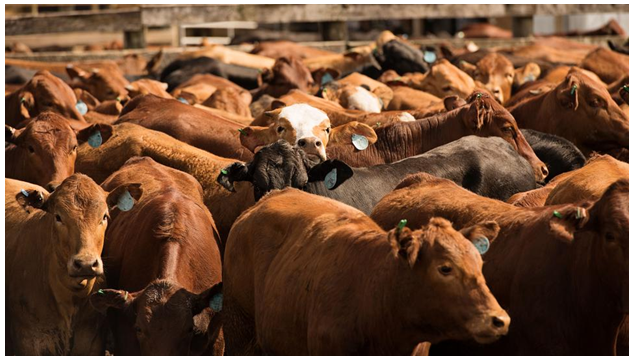
Ranching is common and well developed in temperate and dry areas in some parts of the world. They include areas such as the Pampas region of South America, the Western part of United States, the Prairie Provinces of Canada, and the Australian Outback. It is also well developed in Argentina, Europe and South Africa. In these regions, grazing animals are able to roam over large areas
Ranching is also practiced in the tropical savannah in Africa. East African countries also practise ranching, especially in arid and semi-arid areas. In Tanzania, ranching is carried in many regions. They include Manyara (Manyara), Dodoma (Kongwa), Kagera (Missenyi, Kikulula Ranching Complex, Kitengule), Kigoma (Uvinza), (Kilimanjaro (West Kilimanjaro), Mbeya (Usangu), Morogoro (Mkata), Morogoro (Dakawa), Pwani (Ruvu), Rukwa (Kalambo) and Tanga (Mzeri). The ranches in Tanzania after independence were owned by the government, but nowadays most of them have been privatized to local and foreign investors
(e) Dairy farming
Dairy farming is the rearing of livestock for mainly for long-term production of milk. The milk is processed either on the farm or at a dairy plant to obtain the dairy product for sale. Milk may be consumed either as whole, fresh milk or as processed dairy products such as yoghurt, cheese, butter or ghee. Dairy farming is more intensive and laborious compared to ranching. Animals are grazed outdoors on limited land, kept indoors under the shade and fed on processed animal feeds. The cows are bred naturally by using bulls or by using artificial insemination (AI) method. The cows are milked by using hands and machines
Dairy farming is also well established in developed countries such as Canada, France, Switzerland, China, Japan, Austria, Russia, USA, Netherlands, Germany and the Scandinavian countries which include Denmark, Norway and Sweden
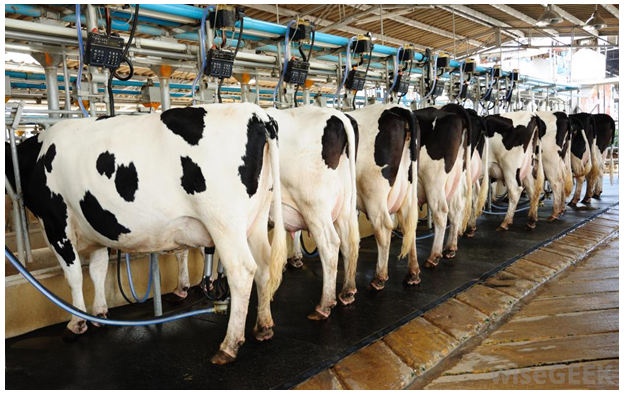
In Tanzania like in other developing countries, dairy farming is practiced mainly on small scale. The breeds kept in countries experiencing tropical climates are not purely exotic breeds but a mixture of local and exotic breeds. This is because dairy cattle thrive well in temperate climates which are relatively cold compared to hot climates in the tropics. Comparatively, there is more milk production in countries with temperate climates than in countries located in hot climates
The Benefits and Constraints of Livestock Keeping Practices
Explain the benefits and constraints of livestock keeping practices
Livestock farming is a beneficial in a number of ways. The following are benefits of livestock keeping
- Livestock are a source of food and other many food products. The food products include milk, meat, eggs, pork and a myriad of secondary products made out of these primary products. These foods and food products supply human bodies with protein and other nutrients. The hides and skins from livestock are used traditionally as clothing by some societies and for making tents. They are also processed into leather which is used for making items such as bags, shoes, belts, and many other items.
- Farmers earn money by selling live animals and the animal products. Also, the country earns foreign exchange from export of live animals and the animal products
- Livestock keeping also promotes growth of other industries in two ways. Livestock keeping leads to establishment of industries that process animal products into finished goods. Livestock keeping also provides raw materials needed by other industries for example skins to the shoe and bags industries.
- Livestock farming such as ranching and pastoralism practiced in arid and semi-arid regions provides alternative use of these marginal lands which are not suitable for crop cultivation and human settlement
- Livestock farming is a source of government revenue through payment of taxes imposed on livestock such as animal movement permits, slaughter charges, importation of animal drugs and farm equipments
- The government collects revenue through taxes imposed on livestock such as animal movement permits, slaughter charges, importation of animal drugs and equipment, etc. Therefore, livestock farming is a source of government revenue.
- Livestock farming promotes trade between animal farmers and suppliers of equipment for animal farming but also between animal farmers and consumers of the animals and animal products. For instance, farmers buy animal drugs, feeds and equipment and sell animal products. Animal products such as meat and eggs promote the business of selling fried Irish potatoes (chips), which is a very common business in urban areas
Constraints facing livestock keeping
Livestock keeping is hindered by a number of problems which affects its growth
- Outbreak of livestock diseases such as Newcastle disease in chicken, African Swine Fever (ASF) in pigs; and Food and Mouth Disease (FMD), East Coast Fever (ECF), and anthrax in cattle. The outbreak of ASF, for example, which occurred in 2017 killed many pigs in some regions of Tanzania, causing big economic losses to livestock keepers and pork sellers.
- Climatic changes which may lead to prolonged droughts which, in turn, causes water and pasture shortage. This causes animal starvation and hence loss of livestock. Notorious droughts which occurred in 2006 and 2016 led to death of a big number livestock and big losses to livestock keepers.
- Insufficient capital to spend on animal feeds, animal drugs and veterinary services is another problem which faces most farmers. Unfortunately, bank loans are not accessible to small-scale farmers as they lack acceptable collaterals needed by banks to lend them money.
- Limited or no use of animal technology to improve production efficiency hinders farmers’ progress.
- Traditional pastoralists keep many animals as a symbol of wealth and prestige. These people, therefore, resist adopting new technology by reducing the size of their herds and keeping few highly-producing improved breeds.
- Lack of improved breeds adapted to hot climates. Most breeds kept in the tropics are crosses between local and exotic breeds whose production potential is still low, on average.
- Some commercial farmers may incur losses when the demand and/or price of animal products drop sharply. The best example is the recent (year 2017) restriction by the government on importation of chicken eggs from abroad, a fact which has greatly affected poultry keepers as well as chick suppliers.
- Poor transportation networks and poor storage facilities lead to spoilage of animal products, animal vaccines and death of livestock and hence causing losses to farmers and suppliers of animal inputs and products.
- Lack of training on livestock keeping among farmers leads to low production and even losses. Farmers who are novice at animal husbandry practices get low yields and profits.
Comparison of Livestock Keeping between Australia and Tanzania
Compare livestock keeping between Australia and Tanzania
There are many similarities and differences between livestock keeping in Tanzania and Australia. The differences and similarities are based on factors such as the livestock management systems, type of animals kept, animal products produced and exported, amount of production per animal product, and contribution of livestock to each country’s economy and community livelihood
Similarities
- The common types of livestock kept in both countries are mainly cattle, goats, sheep and poultry.
- Both countries produce and sell animals and livestock products, such as meat and milk.
- In both countries livestock keeping is practiced at both the subsistence ad commercial levels.
- Sedentary livestock keeping is practiced in both countries. This is done in areas that are highly populated.
- Ranching in Tanzania and Australia is carried out in the sparsely populated areas. In Tanzania, It is mainly carried out in areas such as Kagera, Tanga, and Morogoro whereas in Australia this is practiced in the area referred to as outback.
- Dairy farming in both Tanzania and Australia is practised in areas with sufficient rainfall and adequate pasture.
- In contrast to breeding systems in other parts of the world, Australian cattle are reared on pasture as the principal source of feed. The same case applies to Tanzania.
- The beef industry is the largest agricultural enterprise in Australia, and it is the second largest beef exporter, behind Brazil, in the world. All states and territories of Australia support cattle breeding in a wide range of climates. Likewise, the largest agricultural enterprise in Tanzania is beef industry. In Tanzania, beef comes from local cattle (zebus) kept by many smallholder farmers all over the country and from ranches.
Differences
- Australia uses more scientific and advanced methods in the management of livestock than Tanzania. For example, in Australia, livestock keepers use paddocks, animal food supplements and proper animal health care. In contrast, farmers in Tanzania use poor methods of animal husbandry and care because of various factors such as lack of knowledge on livestock keeping, low prices for livestock products, and poverty among farmers
- Livestock keeping in Australia uses more sophisticated machinery and other farm equipment unlike in Tanzania most of livestock keeping activities and processing of animal products involve manual work and less sophisticated equipment are used.
- Sheep kept in Tanzania are mainly for mutton and hides while in Australia sheep are kept for the production of mutton, lamb, hides and wool. Mutton is a flesh of mature sheep used as meat and lamb is the flesh of a young sheep used as meat. Though lamb has become an increasingly important product as the sheep industry has moved its focus from wool production to the production of prime lamb, wool is still quite an important product of Australian agriculture. The Australian wool industry is widely recognised as producing the finest quality Merino wool
- Pastoralism and sedentary livestock keeping are the main types of livestock keeping practised in Tanzania while in Australia, ranching in the main type of livestock keeping.
- In Tanzania, the main types of animals kept are cattle while in Australia the main types of animals kept are sheep.
- Livestock keeping in Tanzania is geared towards meeting local market demand while in Australia it is geared towards local consumption and export. Australia exports about 60% of her livestock products. Tanzania exports less livestock products because most of her products do not meet international quality standards as compared to Australia.
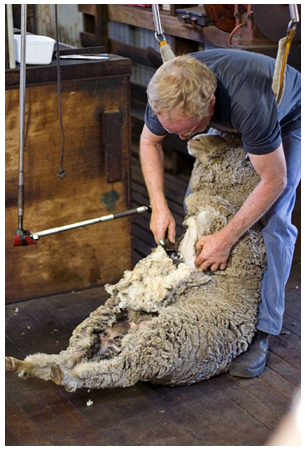
Livestock Keeping as Practiced in Different Communities in Tanzania
Describe livestock keeping as practiced in different communities in Tanzania
Livestock keeping in Tanzania is mainly traditional in nature and it is still inefficient and unsustainable. The common systems of livestock keeping practiced by different societies in Tanzania include nomadism, subsistence livestock keeping, sedentary livestock keeping and commercial livestock keeping
Nomadism in Tanzania
More than 30% of Tanzanian land surface is arid and semi-arid, suitable for pastoralism. Most pastoralists are nomadic or semi-nomadic, not merely because of inherited custom or traditions, but as a direct consequence of limitations of their environment. Nomadism is mostly practiced in marginal lands by communities such as Sukuma, Maasai, Gogo, Nyamwezi and Kurya. Pastoral herds may include various species of livestock such as cattle, sheep, goats and donkeys
Subsistence livestock keeping in Tanzania
Subsistence livestock keeping involves keeping animals mainly for consumption at household level. It is practiced by all communities of rural and urban Tanzania. The main types of livestock which are involved in Tanzanian subsistence livestock keeping are cattle, sheep, goat and poultry. The animals are kept on small pieces of land owned individually by farmers and are normally fed on natural pastures around their homesteads. Normally animals are not fed on other feed supplements
Sedentary livestock keeping in Tanzania
Sedentary livestock keeping is practiced in areas with medium population density and in urban areas where there is limited space for livestock herding. Examples of communities that practice sedentary livestock keeping include the Chagga, Meru and Pare on slopes of Mount Kilimanjaro and other densely populated areas in the northern part of the country
Dairy cattle are the main type of livestock kept and reared under the zero-grazing system. It involves keeping animals in barns and feed mainly on harvested pastures, crop residues and grain by-products of the wheat, rice and maize. The other types of livestock include pigs, poultry, rabbits and fish. This system of livestock keeping is very common in urban areas and it is practiced by farmers hailing from different communities
Commercial livestock keeping in Tanzania
Commercial livestock keeping in Tanzania is practiced in densely populated areas. It is carried out in both fertile and dry areas of the country. The main types of livestock kept include cattle, sheep, goats, pigs, rabbits and poultry. Other non-conventional animals such as crocodiles, ostriches and camels are also kept in some parts of the country, especially in big cities
Animals are often given food supplements, especially dairy animals. In ranches, animals rely mainly on natural pastures as the main feed with minimal supplements of hay and molasses during dry season when pasture is scarce
Chapter Summary
In this chapter, you have learnt that agriculture is a science which deals with crop cultivation and livestock keeping. You have also learnt agriculture involves large scale and small-scale of production. Characteristics of small-scale agriculture at subsistence level include the use of family labour, use of simple tools, soil improvement via crop rotation, growing of different subsistence crops, and cultivation of small farms. Others include the use of simple methods of cultivation, little or no use of technology, there is a practice of mixed farming and storage facilities are poor
The effects of rapid population growth on small scale agriculture include the reduction in the average size of farms, exhaustion of the soil, abundant and cheap labour. Other effects include change from subsistence farming to intensive small-holder farming, land conflicts and landlessness. Some disadvantages of small- scale agriculture include less use of machines, low productivity, difficulty in getting loans, loss of soil fertility, and high risk in case of adverse conditions for crop growing. Ways of improving small-scale agriculture include farmer education and training, providing farmers with loans, enhancing irrigation, hiring or purchasing of land by landless farmers, and encouraging farmers to form and join agricultural cooperatives, improving rural-access roads, birth control, and women empowerment
Large scale farming is also further subdivided into two types, namely, intensive agriculture and extensive agriculture. Characteristics of large-scale agriculture include involvement in production of cash crops, very large farms (acreage), and use of both skilled and unskilled labour, use of mechanization and high level of technology, great use of agrochemicals, use of irrigation systems, and use of big capital. Crops involved in large scale include cotton, tea, coffee, sugarcane, wheat and maize. Dairy and beef cattle can also be kept on large-scale farms
The contribution of cash crop farming to the economies of USA and Tanzania comes through foreign exchange earnings, industrial growth, livestock sector growth, household income and employment, food security, improvement of transport and communication infrastructures, growth of towns and cities Problems facing large scale agriculture in the USA and Tanzania include harsh climatic conditions outbreaks of pests, diseases and weeds, loss of soil fertility, poor resource management, poor financial support, and fluctuations in price, expensive inputs and land encroachment
The three broad forms of livestock keeping are pastoralism, sedentary livestock keeping and commercial livestock keeping. There are two forms of pastoralism namely nomadism and transhumance. Pastoralism is gradually declining because of education, decreased pastureland, government policy, and political boundaries and control of livestock movement by governments
Factors that have contributed to the development of sedentary livestock keeping include a shortage of land for animal grazing, encouragement of pastoralists to settle, a desire of the pastoralists to improve their livelihood, provision of education, engagement of the pastoralists in other economic activities, Livestock keeping is important in many ways. They include livestock being a source of food and many food products, source of hides and skins, promotes growth of other industries, source of government revenue and income to farmers, promote trade, provide alternative use of marginal rangelands
The constraints facing livestock keeping include outbreak of livestock diseases, climate change, insufficient operating funds, limited animal technology, overstocking and overgrazing, poor livestock and transportation infrastructures, and poor knowledge among farmers
Livestock keeping which is practiced by different communities in Tanzania includes nomadism, subsistence livestock keeping, sedentary livestock keeping and commercial livestock keeping.
Revision Questions
Question Time 1
A. 1. Which one of the following is NOT true about subsistence farming?
- Use of simple agricultural tools
- Extensive use of hired labour
- Low production
- Less use of chemicals to control pests and diseases
2. Cash crops mainly grown in plantations (estates) include .
- tea, coffee, cotton, sugarcane and sisal
- rubber, cotton, cassava, sugarcane and tea
- maize, millet, sunflower and banana
- simsim, pyrethrum, oil palms and cloves
3. The keeping of cattle for production of milk is called .
- cattle farming
- dairy farming
- livestock farming
- milk farming
4. Which of the following is NOT a characteristic of nomadic pastoralism?
- There is uncontrolled breeding of animals
- Low technology is involved
- It takes place where there is a sparse population
- Nomads are permanently settled
5. A system of keeping cattle whereby cattle are usually kept in the farm and farmers brings the feed and water to the animals is called.
- Zero grazing
- Nomadic pastoralism
- Mixed pastoralism
- Mixed farming
6. The practice of seasonal movement to the mountains and to the valleys is called .
- Agriculture
- Pastoralism
- Transformation
- Transhumance
7. Plantation agriculture is .
- mainly for subsistence
- not practiced in Tanzania
- monoculture
- for the rich people only
8. Which of the following is a component of agriculture?
- Beekeeping
- Fish farming
- Poultry keeping
- All the above
9. ______ is a type of agriculture that is practiced on relatively small plots of lands.
- Plantation agriculture
- Ranching
- Large-scale agriculture
- Small-scale agriculture
10. Which of the following is the advantage of small-scale agriculture?
- Low cost of labour
- Monoculture
- Surplus is not sold
- High use of chemicals
11. The following are ways of improving small-scale agriculture. Which one is NOT?
- Training farmers
- Forming cooperative societies
- Advising farmers to cultivate on marginal lands
- Providing farmers with loans and subsidies
12. Which country is thought to be the possible origin of the coffee crop?
- Tanzania
- Ethiopia
- Sudan
- Germany
13. Which of the following one is not a possible care for coffee trees?
- Hulling
- Pruning
- Weeding
- Disease and pest control
14. Which of the following crop can be harvested using machines?
- Maize
- Sugarcane
- Coffee
- All the above
15. Choose two crops which can be used to produce sugar.
- Sugarcane and coffee
- Coffee and sugar beet
- Sugar beet and sugarcane
- Tea and sugarcane
16. Which of the following is one of the stages of processing wheat?
- Harvesting
- Threshing
- Brewing
- Land preparation
17. Which of the following is not a contribution of cash crops to the economy of Tanzania?
- Provision of employment
- Source of foreign exchange
- Use of machines and inputs
- Growth of industries
18. A type of livestock keeping in which herders wander with their livestock from one place to another in search of pasture and water is called .
- Sedentary livestock keeping
- Commercial livestock keeping
- Pastoralism
- None of the above
19. The harvesting of wool from sheep is known as .
- Trimming
- Shearing
- Castration
- Cutting
20. Which of the following is not the importance of pastoralism?
- Pastoralists make productive use of dry areas which have few alternative uses
- Keeping different species of livestock enables sustainable use of rangeland
- Livestock grazing help clear the land for cultivation
- Pastoralists supply meat for local and international markets
B. Below are matching items. Match an item from column A with a corresponding item from column B
| ColumnA | ColumnB | ||
| 1 | Cropcultivationandanimalkeeping | A | Tea |
| 2 | Usesadvancedandexpensivetechnologies | B | Robusta |
| 3 | Characteristicofsmall-scalefarming | C | Small-scaleagriculture |
| 4 | Acrop grown for its lint | D | Strippicking |
| 5 | Coffeevarietythatisgrownworldwide | E | Maize |
| 6 | Amethodofharvestingcoffeeinwhichonlytheripecherriesarepickedbyhand | F | Boiling |
| 7 | Thiscropisplantedbylayingthesteminthefurrowandcoveringit withsoil | G | Shelling |
| 8 | Thefirststageinindustrialextractionofsugarfromsugarcane | H | Semi-intensivelivestockfarming |
| 9 | Theprocessofseparatingmaizeseedsfromthecob | I | Agriculture |
| 10 | Asystemoflivestockkeepingmostlypracticedindry,sparsely populatedareas | J | Cotton |
| K | Pastoralism | ||
| L | Grinding | ||
| M | Useoffamilylabourand poorfarmingtoolssuchas hoes | ||
| N | Selectivepicking | ||
| O | Evaporation | ||
| P | Aquaculture | ||
| Q | Sugarcane | ||
| R | Extensiveuseofagrochemicals | ||
| S | Arabica | ||
| T | Large-scaleagriculture |
C. In each of the following statements, write T if the statement is correct and F if the statement is not correct
- Sedentary livestock keeping can also be practiced by urban dwellers in Tanzania
- Australia and Tanzania are similar in livestock keeping in terms of the major animals kept
- Pastoralism and sedentary livestock keeping are not very common in Tanzania
- Fish and crocodile farming is not part of “agriculture”
- In commercial farming, farmers produce crops principally for the purpose of feeding their families
D. Short answer questions
- Define agriculture
- Distinguish between small-scale and large-scale agriculture
- Describe any five characteristics of small-scale agriculture
- Name any five common crops grown on large-scale in Tanzania
- State four advantages and four disadvantages of small-scale agriculture
- Describe four conditions that favour tea growing
- Describe how tea is processed in the factory
- Name three major producers of tea in Africa
- Describe the characteristics of pastoralism
- Explain how livestock keeping in Australia differs from that practiced in Tanzania
- State any five characteristics of large-scale agriculture
- Describe any four conditions essential for the growth of cotton
- Mention any five world producers of cotton
- Describe two methods in which coffee is harvested
- Explain how coffee is processed in the factory
- Mention the top ten world producers of coffee
- Describe the growth conditions for sugarcane
- Discuss the planting and caring for sugarcane
- Explain briefly how sugarcane is harvested
- Differentiate between nomadism and transhumance
- Give and explain any four reasons why nomadism is declining nowadays
- State any five advantages of pastoralism
- State any four factors that have contributed to the development of sedentary livestock keeping
- Give any five benefits of keeping livestock
- State five constraints facing livestock keeping
references
- Adejuwan,J.C.(1979).AnIntroductiontotheGeographyoftheTropics.ThomasNelsonandSonsLtd.Lagos
- Focus, F.D and Said, S.N (2014). Fundamentals of Geography Form Two. Longhorn Publishers. Dar es Salaam
- Hickman, G.M. (1973). Lands and People of East Africa. Longman. Nairobi
- Minas, W.J. (1984). A Geography of Africa. MacMillan Publishers. London
- Msabila, D.T. (2003). A Focal Study on Human and Economic Aspects. Afroplus Industries. Dar es Salaam
- Mzezele,S.andKibuuka,P.(2014).GeographyInFocusFormTwo.OxfordUniversityPressLtd.DaresSalaam
- Peterson, J.H. (1976). Land, Work and Resources: An Introduction to Economic Geography. Edward Arnold. London
- Taasisi ya Elimu yaTaifa (1981). Wafanyakazi wa AfrikaMashariki. Printpack/MTUU. Dar es Salaam
- Tanzania Institute of Education (2016).Geography Course Book for Secondary Schools Book Two. Eco print Ltd.DaresSalaam
Listening to this topic